Berlin City Guide
Berlin City Guide: Creative Districts, Everyday Ease, and Where to Stay
Berlin suits guests who want a city with strong infrastructure and real neighborhood range. It can feel creative, green, residential, and international at the same time, which makes it especially effective for longer stays, work trips, and guests who want more than a classic sightseeing itinerary.
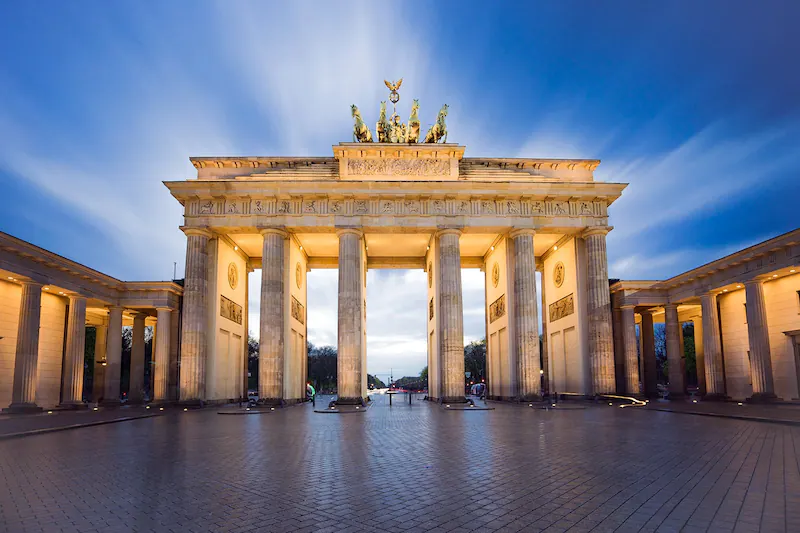
Why Stay in Berlin
Berlin is unusually good at supporting different travel motives at once. It works for museum-heavy weekends, startup or business trips, extended remote work, and longer stays where guests want routine rather than constant tourism.
Compared with more compressed historic capitals, Berlin feels broader and more district-based. That makes apartment choice especially important because guests often live their trip through the immediate neighborhood rather than only through the central landmarks.
Berlin Culture and Lifestyle
Berlin is shaped by contrast: major museums and government buildings sit alongside creative neighborhoods, independent food scenes, parks, lakes, and a more informal everyday style than many premium city markets.
The city is often described through nightlife, but that is too narrow. Berlin also offers strong cafe culture, design and gallery life, weekend markets, and a practical everyday structure that makes a temporary stay feel sustainable.
Architecture
Expect a mix of imperial remains, post-war layers, restored old buildings, and highly varied district identities rather than one uniform cityscape.
Social life
The city is less formal than many European capitals, with a stronger emphasis on local scenes, flexible schedules, and neighborhood loyalty.
Green space
Parks, waterways, and access to lakes matter more here than many first-time visitors expect.
Best Neighborhoods in Berlin
The right district in Berlin depends less on proximity to one landmark and more on how you want the city to feel. Some guests need cultural centrality, others want local cafes and parks, and longer stays often benefit from residential quality over pure tourism access.
For first-time visitors
Mitte is the easiest base for museums, landmarks, and broad transport access.
For cafe culture and local living
Prenzlauer Berg suits guests who want calmer streets, good dining, and a polished residential feel.
For creative energy
Kreuzberg and Friedrichshain appeal to guests who want nightlife, independent food, and a more alternative city texture.
For classic west-side comfort
Charlottenburg works well for refined shopping, calmer boulevards, and a more established residential atmosphere.
Real Estate and Staying Options
Berlin apartments often offer more space than equivalent stays in many Western European capitals, which helps both business and long-stay guests. The market ranges from compact city pads to large old-building apartments and loft-style layouts.
For premium short stays, centrality and design coherence are usually the key value drivers. For monthly stays, workspace quality, district amenities, transit access, and building calm become more important.
- Mitte is practical for shorter stays where time efficiency matters.
- Prenzlauer Berg and Charlottenburg often suit guests who want a more residential premium rhythm.
- Larger loft or old-building formats can be especially attractive for extended stays or small groups.
Cost of Living in Berlin
As a March 2026 planning reference, Berlin remains competitive against London or Paris in many daily categories, but central furnished housing has moved firmly into premium territory.
Recent market averages point to roughly EUR 1,270 per month for a one-bedroom in the city center, about EUR 913 outside the center, and around EUR 13.50 for a cinema ticket. Casual dining and coffee are generally moderate by capital-city standards, while furnished short and monthly rentals can rise meaningfully depending on district and finish.
Food and cafes
Berlin still offers wide choice across price levels, from simple neighborhood cafes to more design-forward dining.
Transport
The network is efficient enough that transport costs often stay modest relative to the convenience gained.
Monthly stays
Housing quality and exact district matter more than citywide averages when judging value.
Top Things to Do
Museum Island, Brandenburg Gate, the Reichstag, East Side Gallery, and major memorial sites remain essential first references. But Berlin is a city where district wandering is part of the product.
Markets, gallery stops, park time, local cafes, and long neighborhood walks often define the stay as much as formal attractions. That is one reason Berlin works so well for guests who stay more than a few nights.
Public Transport in Berlin
Berlin has one of the easiest transport systems in Europe for visitors. U-Bahn, S-Bahn, tram, buses, and regional connections make it simple to move across the city without a car, even when staying outside the obvious center.
BVG lists a regular AB single ticket at EUR 4.00 in 2026, valid for 120 minutes in one direction with changes allowed. For most visitors, the larger benefit is not the single fare itself but the fact that the network makes a wider range of neighborhoods practical as a stay base.
- BER airport is well connected by rail, so central and eastern districts are straightforward to reach without private transfer.
- Tram is especially useful in parts of former East Berlin where it complements U-Bahn and S-Bahn coverage.
- A car is usually unnecessary for city-focused stays.
Who Should Stay in Berlin
Remote workers
Excellent fit because the city combines connectivity, space, cafes, and longer-stay viability.
Business travelers
Strong option thanks to airports, rail access, and a good supply of practical central districts.
Couples
Best for guests who prefer city culture, dining, and neighborhood exploration over classic romantic shorthand.
Families and small groups
Often a good match because apartment sizes can be more generous than in tighter historic capitals.
Local Tips for a Better Stay
- Choose the district for lifestyle first, not only for headline landmarks.
- For a first trip, Mitte is the easiest no-regret base.
- For longer stays, prioritize neighborhood quality and transit access over strict centrality.
- Berlin can feel spread out on the map, but strong transport keeps many districts practical.
FAQs About Staying in Berlin
Which area is best to stay in Berlin?
Mitte is the easiest choice for first-time visitors, while Prenzlauer Berg, Kreuzberg, and Charlottenburg suit different styles of longer or more neighborhood-led stays.
Is Berlin expensive?
It is no longer a budget capital in housing, especially for furnished central stays, but many everyday costs still compare well with top-tier Western European capitals.
Is public transport good in Berlin?
Yes. It is one of the city's strongest advantages and makes a wide range of neighborhoods realistic for visitors.
Is Berlin good for a monthly stay?
Very much so. The city has the infrastructure, district depth, and apartment formats that longer-stay guests usually need.
What kind of apartment works best in Berlin?
That depends on the trip, but good light, district fit, transport access, and enough space for routine are usually more important than a purely central postcode.
Featured Apartments in Berlin
Selected stays that match the city guide, from central bases to longer-stay options.
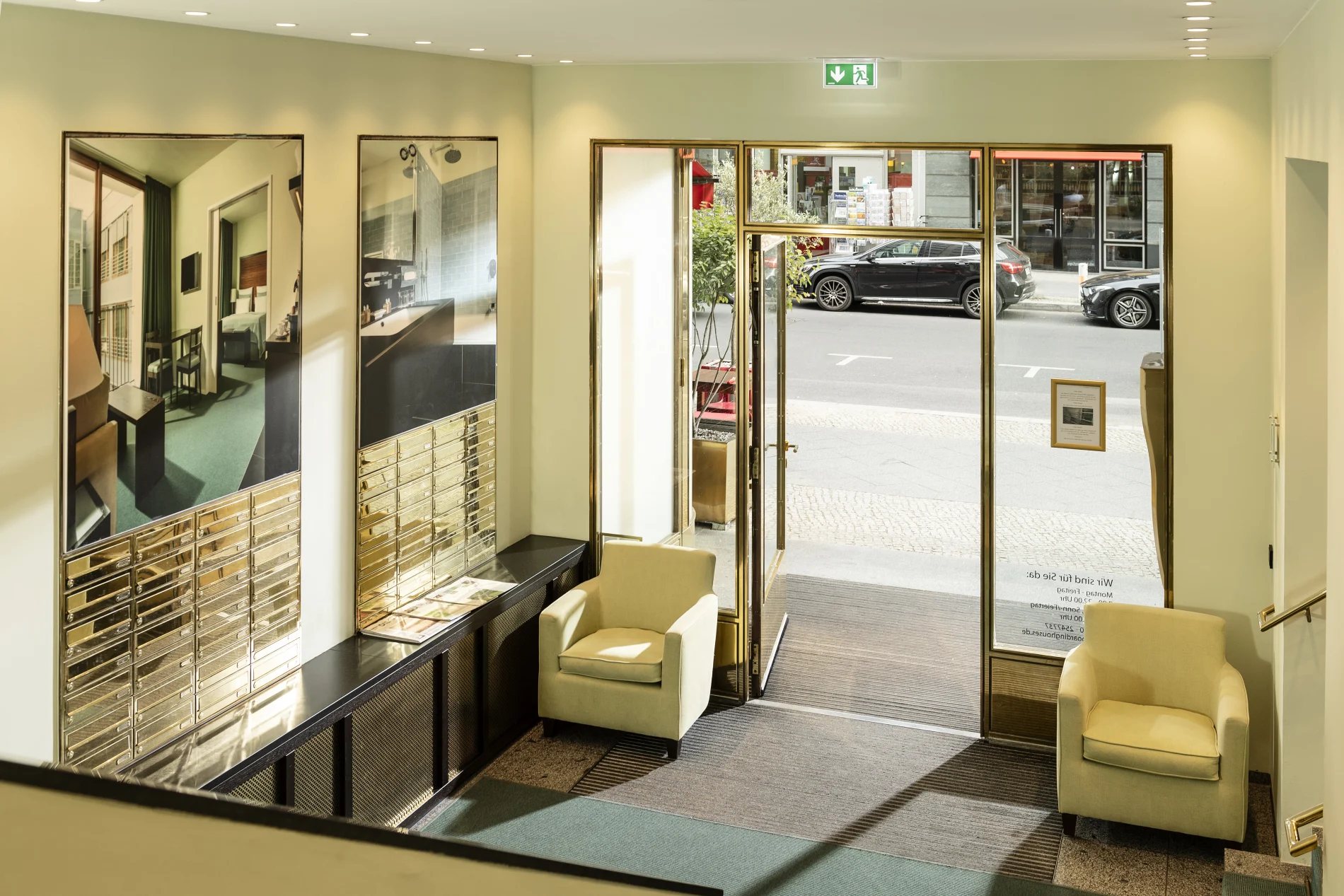 BER-0042
Central Berlin Apartment
€180.00/Night
€2,600.00/Month
View details
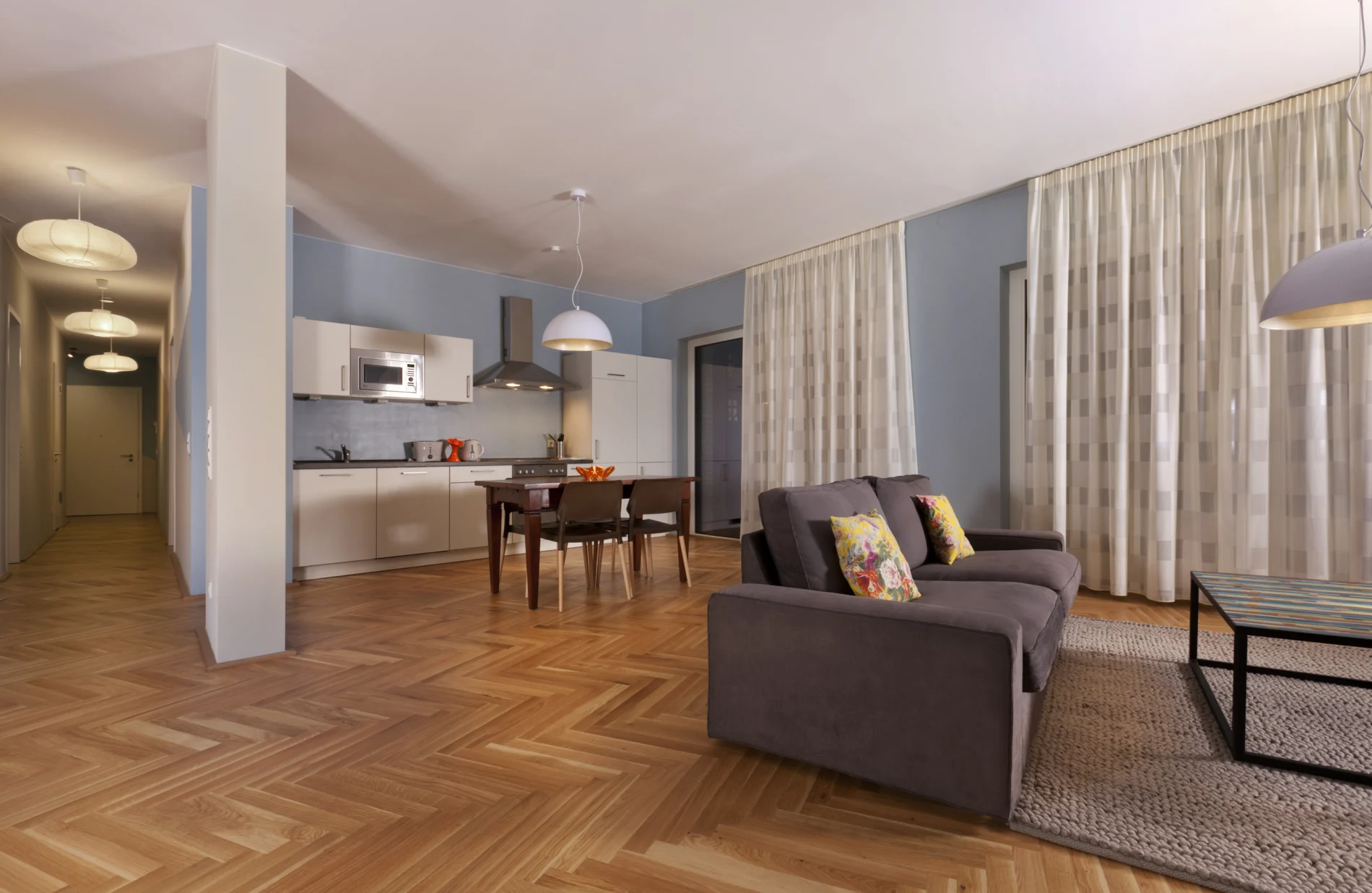 BER-1999
Luxurious Apartment in the Heart of Berlin
€170.00/Night
€2,800.00/Month
View details
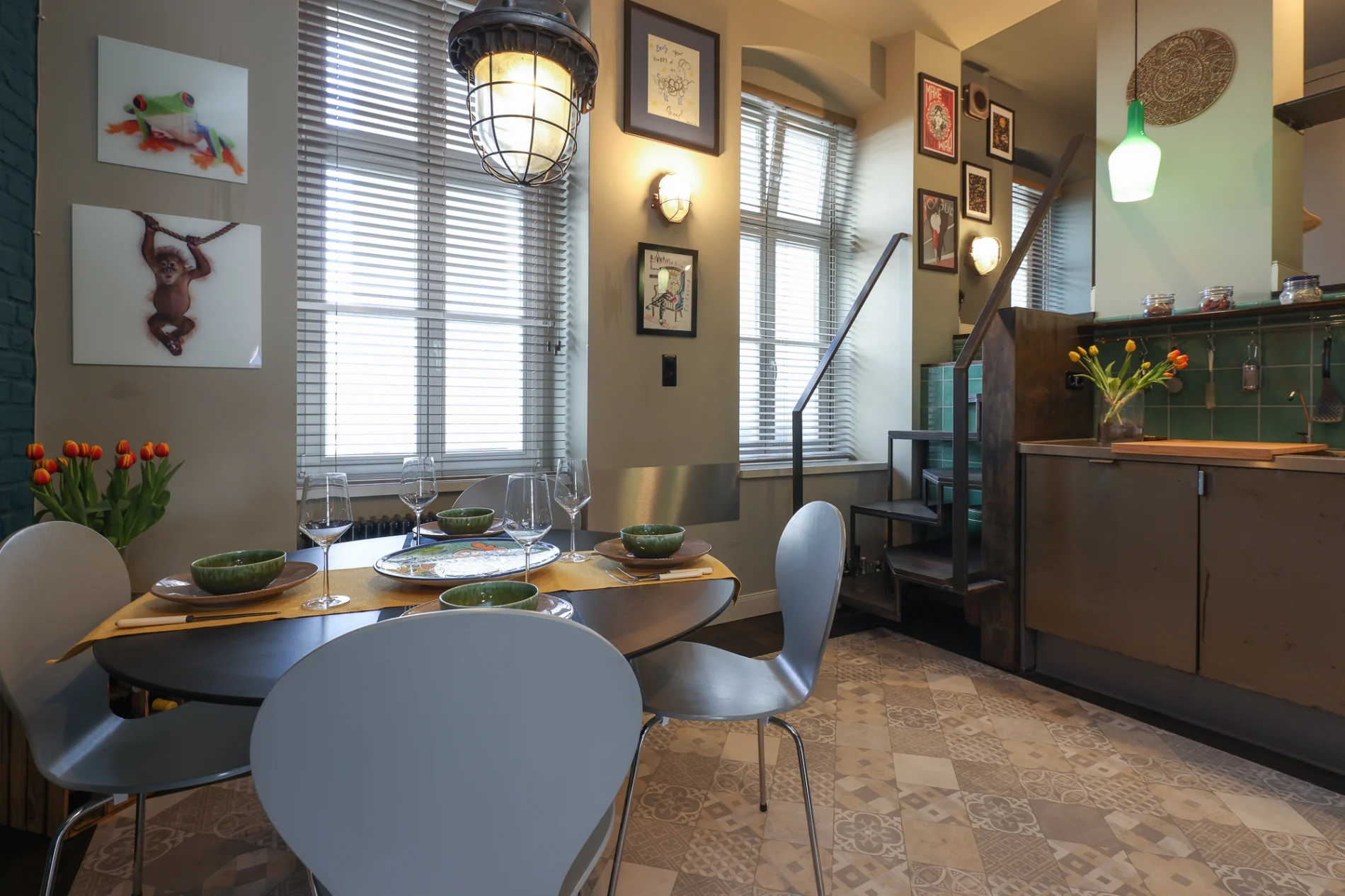 BER-2022
Large, Old Building Apartment
€180.00/Night
€2,750.00/Month
View details
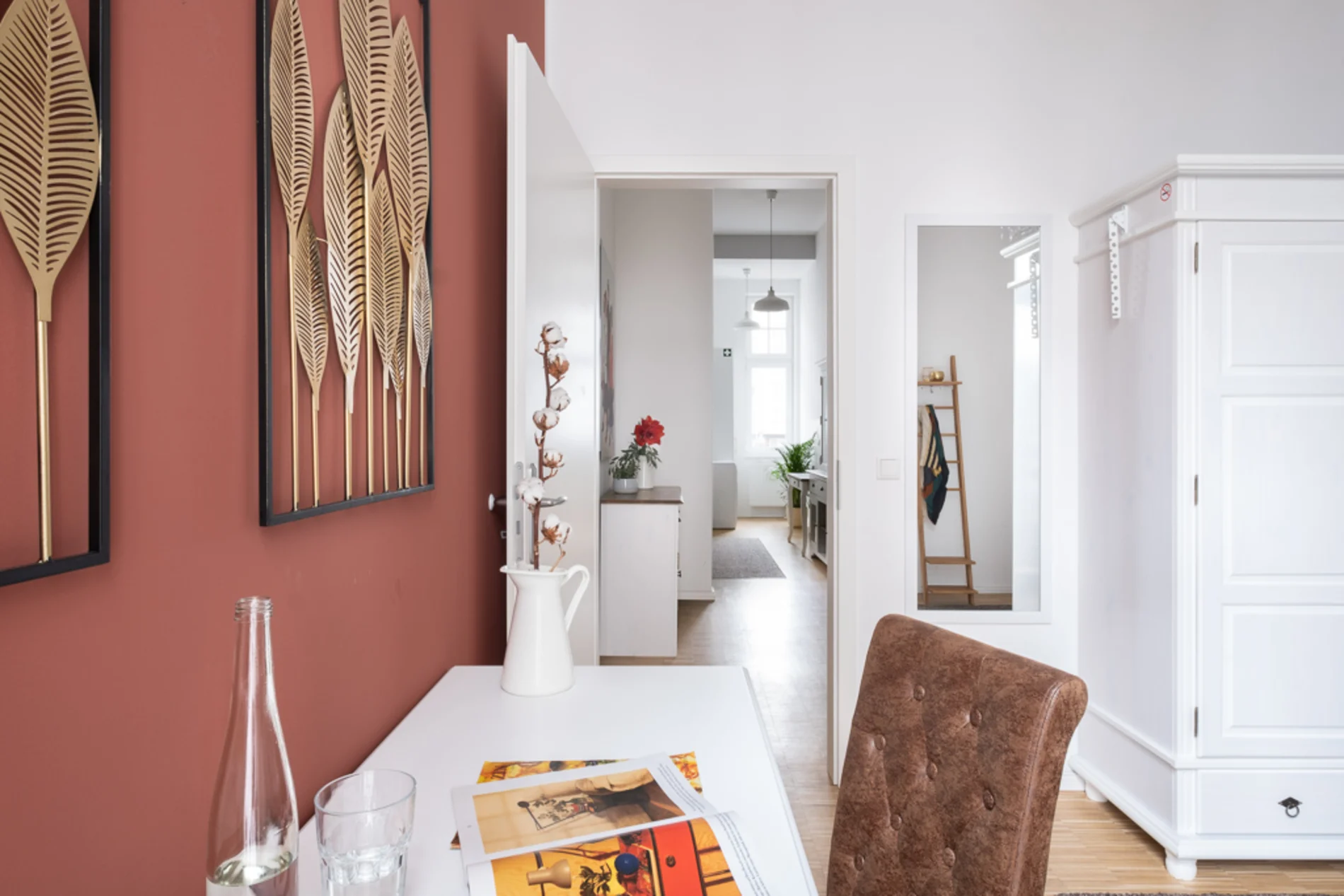 BER-5343
3 Bedrooms Large Apartment
€210.00/Night
€3,270.00/Month
View details