Bucharest City Guide
Bucharest City Guide: Grand Boulevards, Creative Neighborhoods, and Where to Stay
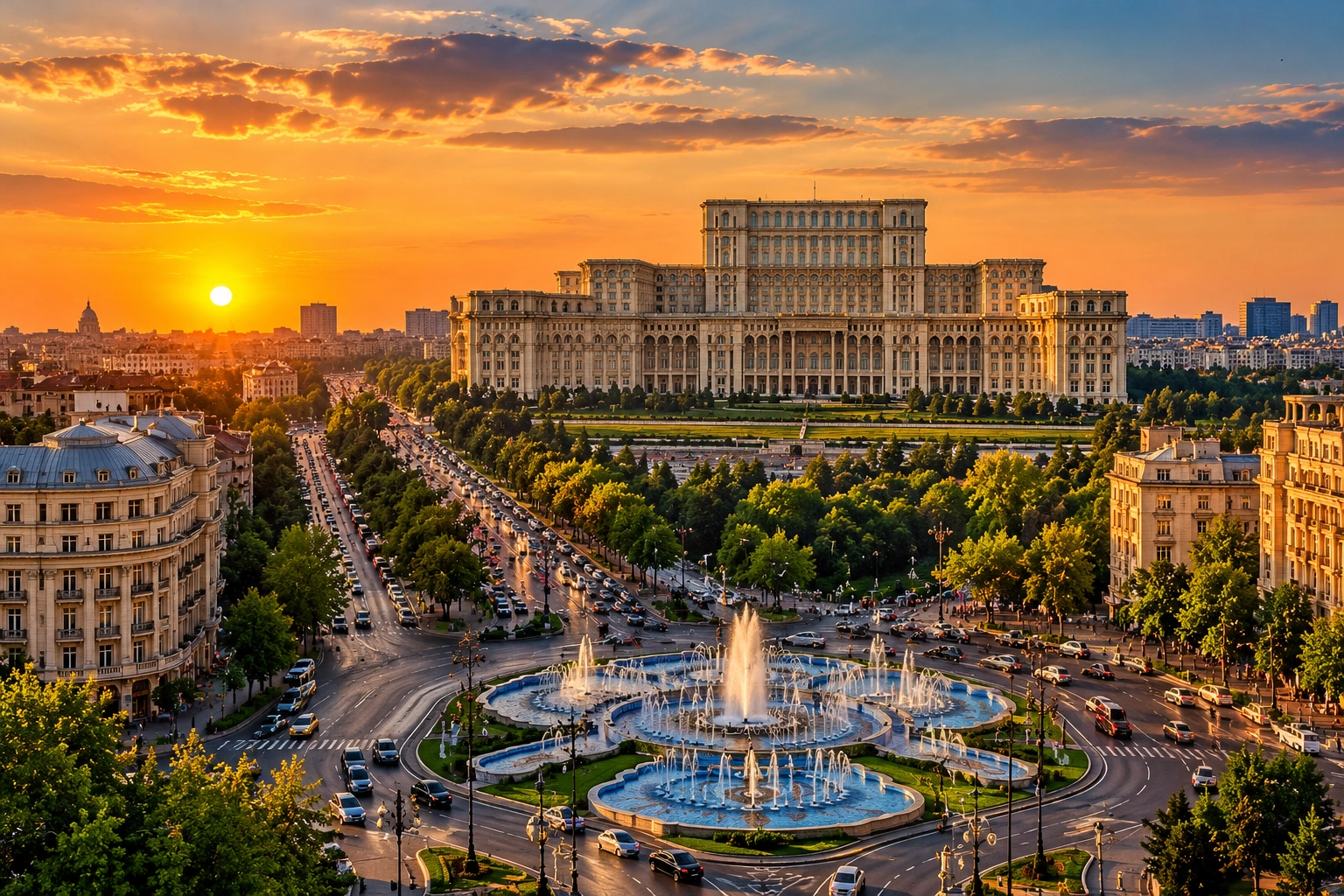
Bucharest rewards guests who look beyond a single postcard view. Belle Époque architecture, broad boulevards, energetic dining, leafy northern districts, and a fast-changing creative scene make the Romanian capital a compelling choice for short visits, business trips, and extended city stays.
Why Stay in Bucharest
Bucharest offers the scale and variety of a European capital while remaining more accessible than many western city markets. Historic avenues, interwar architecture, large parks, contemporary restaurants, and established business districts create several very different ways to experience the city.
It works especially well for guests who want culture and nightlife without sacrificing apartment space, professionals based around the northern office districts, and longer-stay visitors who prefer a practical neighborhood routine to a purely tourist-focused center.
Bucharest Culture and Lifestyle
Bucharest is a city of contrasts. Ornate nineteenth-century buildings and Art Deco landmarks sit beside monumental civic architecture, while former industrial spaces and restored villas now accommodate galleries, design studios, cafés, and restaurants.
Calea Victoriei forms one of the clearest introductions to the city, linking museums, historic hotels, Revolution Square, and the Romanian Athenaeum. Beyond it, everyday Bucharest is shaped by neighborhood markets, garden terraces, independent coffee shops, and long evenings spent dining outdoors.
Architectural layers
Belle Époque façades, interwar modernism, grand civic buildings, and contemporary design give the city a distinctive visual identity.
Growing food scene
Traditional Romanian cooking now sits comfortably beside modern bistros, specialty coffee, international dining, and polished cocktail bars.
A green capital
King Mihai I Park, Cișmigiu Gardens, Carol Park, and Văcărești Nature Park add welcome breathing space to the urban experience.
Best Neighborhoods in Bucharest
Bucharest is geographically large, so choosing the right base matters more than simply choosing a central postcode. Match the apartment to the places you will use most often, then check the nearest metro connection and realistic travel time.
For a first visit
Calea Victoriei, Universitate, and the streets around the Old Town place major architecture, museums, restaurants, and nightlife within easy reach.
For refined city living
Dorobanți, Floreasca, Aviatorilor, and Herăstrău combine upscale dining, parks, quieter streets, and convenient access to northern Bucharest.
For residential balance
Cotroceni offers leafy streets and period houses, while Vitan–Dristor provides strong transport, shopping, and practical day-to-day amenities.
For business and longer stays
Pipera and the northern business corridor suit corporate guests who value modern developments, parking, and access to office hubs.
Real Estate and Staying Options
Bucharest accommodation ranges from restored apartments in historic central buildings to contemporary residences with terraces, lifts, parking, and concierge facilities. Older properties can deliver exceptional character and room proportions, while newer northern developments often provide greater convenience for business and extended stays.
For a short cultural visit, walkability and atmosphere usually matter most. For monthly stays, reliable climate control, lift access, workspace, parking, and proximity to groceries or the metro become more important than being beside the busiest landmarks.
- Historic central apartments offer atmosphere, but guests should confirm lift access and building facilities.
- Northern districts are strong for business travel, parks, dining, and modern residential services.
- For longer stays, prioritize practical layout, air conditioning, storage, and the daily commute.
Cost of Living in Bucharest
Bucharest generally offers stronger space and dining value than many western European capitals, although premium addresses on Calea Victoriei, around Herăstrău, and in newer northern developments command a clear local premium.
The main difference in a stay budget usually comes from neighborhood and property standard. Local cafés, public transport, and everyday services can remain approachable, while luxury dining, private parking, and large fully furnished residences move closer to wider European capital pricing.
Dining
Everyday meals can offer good value, with the widest premium restaurant choice concentrated centrally and in the north.
Transport
Metro and surface transport are economical; taxis and ride-share services are useful when routes do not connect directly.
Housing
Central heritage, northern location, terraces, parking, and recent construction are the main drivers of furnished-stay pricing.
Top Things to Do
Begin with a walk along Calea Victoriei, then explore the Romanian Athenaeum, Revolution Square, Cișmigiu Gardens, the Old Town, Stavropoleos Church, and the monumental setting around the Palace of Parliament. The Village Museum and King Mihai I Park reveal a calmer northern side of the capital.
Longer stays leave time for the National Museum of Art, Cotroceni, local food markets, Văcărești Nature Park, and the city’s smaller galleries and cultural spaces. Bucharest becomes more rewarding when landmark visits are balanced with neighborhood cafés and ordinary daily life.
Public Transport in Bucharest
The metro is usually the fastest way to cover longer distances, supported by an extensive network of buses, trams, and trolleybuses. Central areas such as Calea Victoriei and the Old Town are best explored on foot, while ride-share services are practical for cross-city journeys or late arrivals.
STB currently lists a 90-minute metropolitan surface journey at 3 lei and a 120-minute integrated surface-and-metro journey at 7 lei. Tickets must be valid for the route used, so guests should check the official operator information when planning airport, metropolitan, or multi-modal travel.
- Choose an apartment near the metro when regular cross-city travel is part of the stay.
- Walking works well in the historic center, but Bucharest as a whole is too large to treat as a fully walkable city.
- Henri Coandă Airport is connected by rail and road services; allow extra time during busy traffic periods.
Who Should Stay in Bucharest
Culture travelers
A strong choice for guests interested in architecture, museums, twentieth-century history, music, and a city still revealing its layers.
Business travelers
Northern office districts and a broad choice of furnished apartments make Bucharest well suited to corporate assignments.
Families and groups
Larger apartments, green spaces, and good-value everyday services can make the city especially practical for shared stays.
Longer-stay guests
The combination of neighborhood variety, services, transport, and generous accommodation supports a comfortable monthly routine.
Local Tips for a Better Stay
- Choose the neighborhood around your daily priorities rather than judging distance only from the Old Town.
- Reserve popular central or northern restaurants for weekend evenings.
- For summer stays, confirm air conditioning; for longer visits, check lift access and parking arrangements.
- Use the metro for speed, then walk within each district to understand the city properly.
FAQs About Staying in Bucharest
Which area is best to stay in Bucharest?
Calea Victoriei and the central districts are excellent for a first cultural visit, while Floreasca, Dorobanți, Aviatorilor, and Herăstrău suit refined or business-focused stays.
Is Bucharest easy to explore without a car?
Yes. The metro, surface transport, walking, taxis, and ride-share services cover most visitor needs, though choosing a well-positioned apartment is important because the city is large.
Is Bucharest good for a monthly stay?
Yes. Its apartment space, broad range of neighborhoods, transport, dining, and everyday services make it a practical option for extended visits and corporate assignments.
When is the best time to visit Bucharest?
Spring and early autumn usually provide the most comfortable balance of mild weather, outdoor dining, parks, and cultural activity.
What matters most in a Bucharest apartment?
Neighborhood fit, metro access, air conditioning, practical layout, lift access, and parking where required are the most useful factors to compare.
Featured Apartments in Bucharest
Selected stays that match the city guide, from central bases to longer-stay options.
 BUC-1131
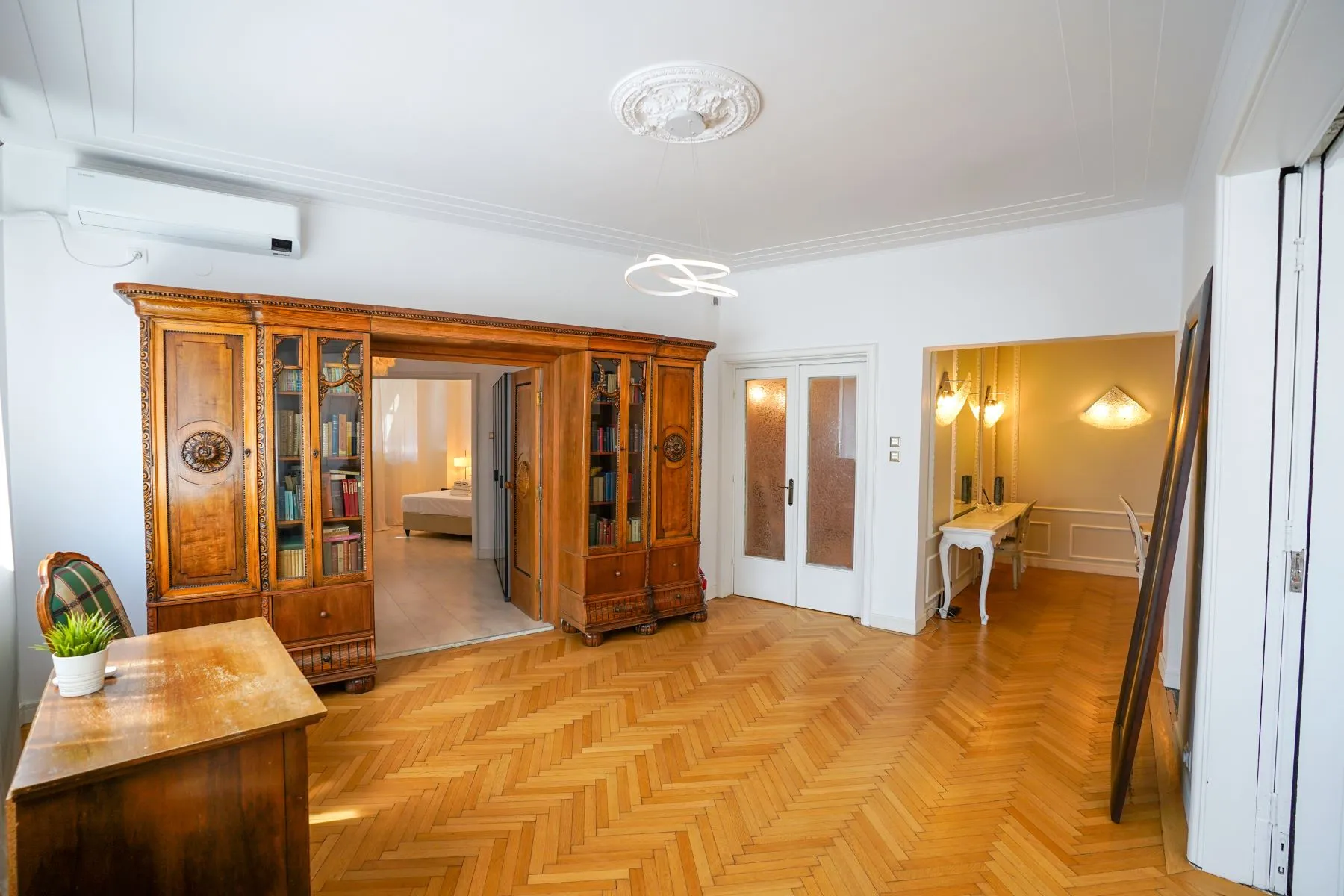
Historic Luxury Residence on Calea Victoriei
€260.00/Night
€4,630.00/Month
View details
 BUC-0030
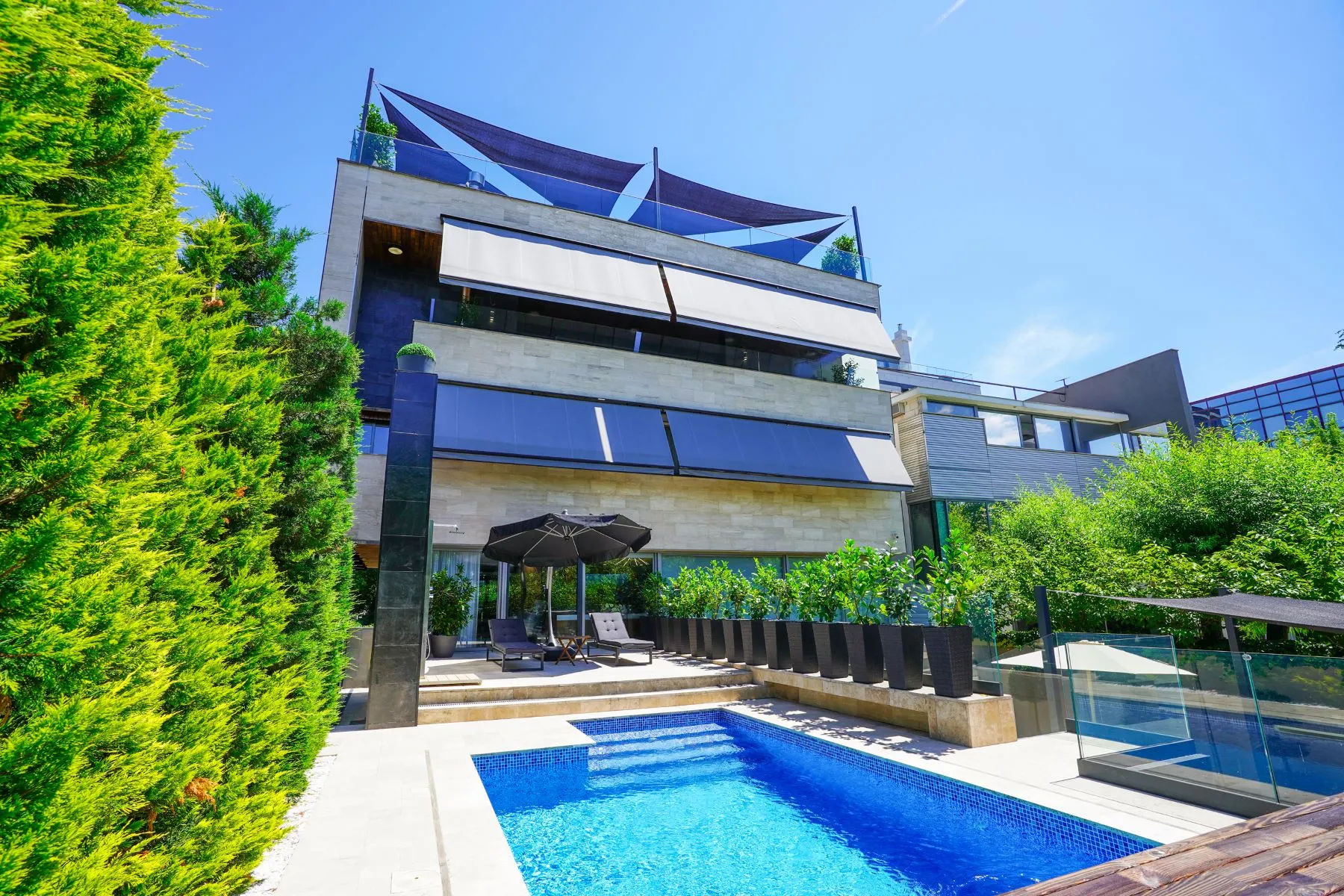
Exclusive Lakefront Villa in Floreasca
€399.00/Night
€5,510.00/Month
View details
 BUC-2288
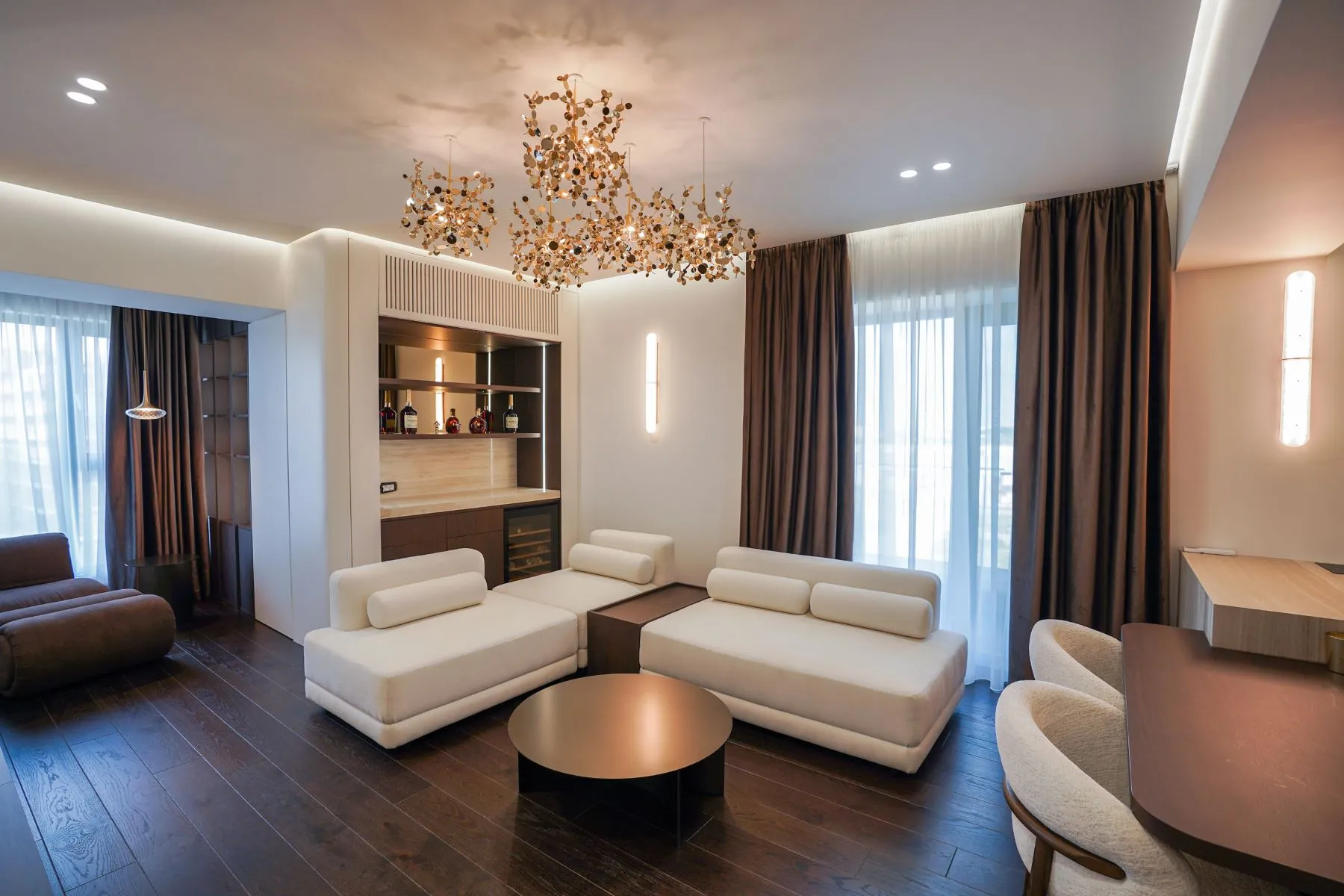
Luxury Apartment with Two Terraces in Pipera
€165.00/Night
€2,690.00/Month
View details
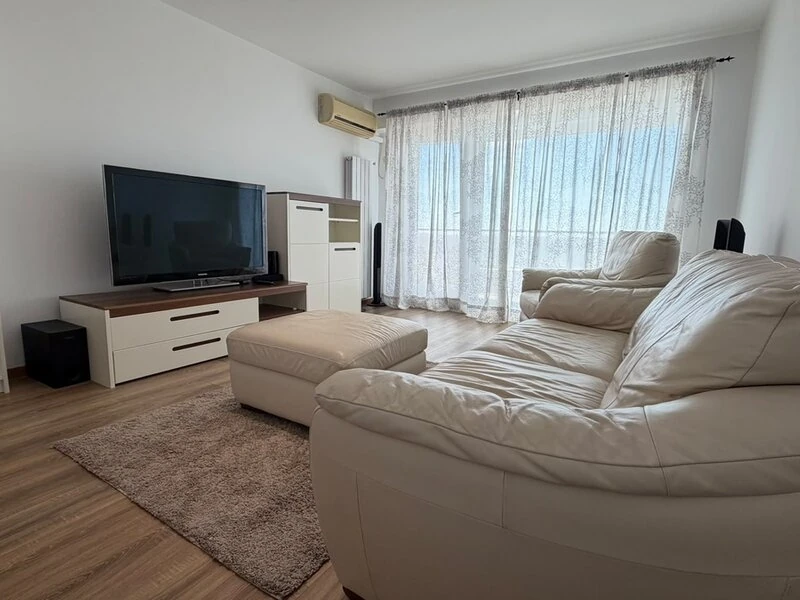 BUC-4441
Modern Apartment with Private Terrace
€98.00/Night
€1,075.00/Month
View details