Copenhagen City Guide
Copenhagen City Guide: Neighborhoods, Design-Led Living, and Where to Stay
Copenhagen is one of Europe's most polished city stays, built around biking, waterfront living, design, and a strong everyday sense of quality. It works especially well for guests who want a city that feels organized, calm, and premium without becoming stiff.
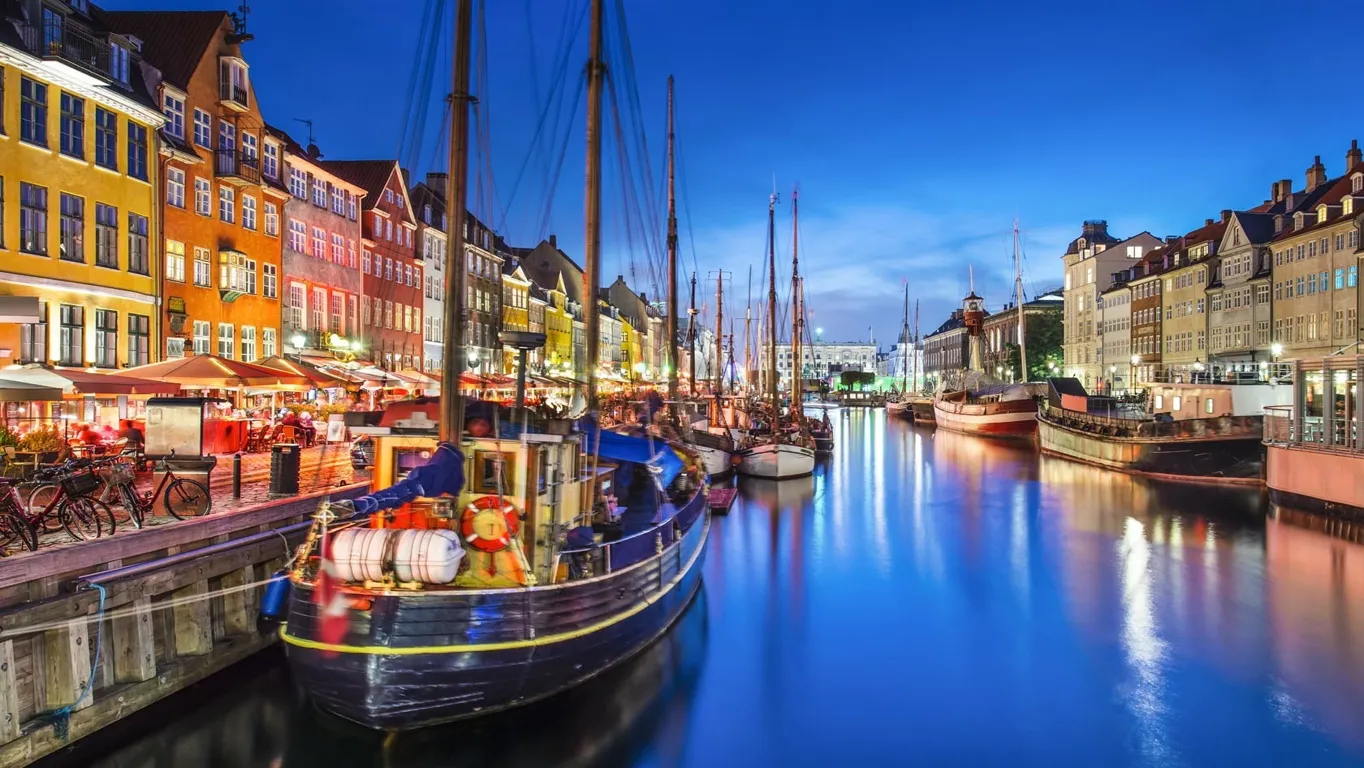
Why Stay in Copenhagen
Copenhagen is a city where quality of life is immediately visible. The built environment is clean and considered, distances are manageable, and daily movement is simple enough that guests can focus on the experience rather than logistics.
That makes it a strong fit for premium city breaks, business travel, couples, and monthly stays where routine, neighborhood quality, and practical comfort matter as much as sightseeing.
Copenhagen Culture and Lifestyle
Copenhagen blends royal history, waterfront districts, architecture, restaurants, and design-conscious everyday living. Visit Copenhagen and VisitDenmark both frame the city through neighborhoods, which is the right lens: Vesterbro, Nørrebro, Frederiksberg, Christianshavn, and the historic center all offer different versions of the same calm urban quality.
The city feels contemporary and easy rather than dramatic. Its strength is not intensity but consistency: good coffee, good movement, good public space, and a strong visual standard across ordinary daily life.
Design and urban quality
Copenhagen feels premium partly because architecture, furniture, food, and public space all pull in the same direction.
Waterfront rhythm
Harbor fronts, canals, bathing culture, and green edges shape how the city is experienced.
Neighborhood identity
Different districts have clearly different moods, from refined and green to creative and energetic.
Best Neighborhoods in Copenhagen
In Copenhagen, the best district depends less on raw centrality and more on whether the trip is built around classic sights, dining, design, or a longer local rhythm.
For first-time visitors
The city center and nearby central districts give the easiest access to classic landmarks and transport.
For creative city life
Vesterbro and Nørrebro suit guests who want dining, local energy, and a more contemporary urban mood.
For refined and calmer stays
Frederiksberg and Østerbro fit guests who want wider streets, greener surroundings, and a more polished residential tone.
For waterfront character
Christianshavn and harbor-adjacent areas are strong for guests who want scenic movement and canal atmosphere.
Real Estate and Staying Options
Copenhagen apartment value is shaped by neighborhood quality, natural light, layout efficiency, and access to either metro or strong bike routes. Compared with older southern European cities, the local premium often feels more functional and less decorative.
For short stays, centrality and district character tend to lead. For monthly stays, practical layout, building quality, and daily neighborhood livability become even more important.
- A strong Copenhagen apartment often feels simple, bright, and highly usable rather than overly formal.
- Neighborhood quality is usually a better filter than chasing the exact center.
- For longer stays, bike access and daily services can matter as much as landmark proximity.
Cost of Living in Copenhagen
As of March 12, 2026, Copenhagen remains one of Europe's more expensive capitals, particularly in housing and dining. That premium is tied to the city's consistently high standard of living and strong demand.
Recent city benchmarks point to roughly DKK 13,281 per month for a one-bedroom in the city center, about DKK 9,062 outside the center, an inexpensive restaurant meal around DKK 150, and a cappuccino around DKK 44. Furnished short and monthly stays in stronger central neighborhoods often sit above those baseline residential averages.
Dining
Copenhagen is expensive, but the quality of everyday food and café culture is part of the appeal.
Transport
Transport is efficient, though many guests will use bikes and walking just as much as paid transit.
Housing
Housing is the main premium category, especially in the most attractive central or waterfront districts.
Top Things to Do
Classic Copenhagen includes waterfront walks, neighborhood exploration, museums, bakeries, shopping streets, harbor areas, and time spent simply moving through the city by bike or on foot.
For longer stays, the city becomes less about headline attractions and more about the comfort of daily life in a well-chosen district.
Public Transport in Copenhagen
Copenhagen is exceptionally easy to handle without a car. Metro, S-trains, regional trains, buses, and bikes cover almost every use case, and the city becomes even easier once the apartment is in the right district.
The official ticket system lists single tickets from DKK 24 for 2 zones and City Pass Small from DKK 100 for 24 hours, with airport coverage included in the small pass zones 1 to 4. For many short stays, however, the city is best experienced through a mix of walking, biking, and occasional transit.
- A car is usually unnecessary and can reduce the ease of a Copenhagen stay.
- District choice and bike access often matter more than fare optimization.
- Copenhagen rewards guests who treat movement as part of the city experience.
Who Should Stay in Copenhagen
Couples
Excellent fit for dining, design, harbor walks, and elegant everyday city life.
Business travelers
Very strong option thanks to efficiency, calm infrastructure, and high-quality daily logistics.
Design and architecture travelers
One of Europe's strongest destinations for guests drawn to built environment and lifestyle quality.
Longer-stay guests
A very good choice for visitors who want a city that is easy to inhabit over several weeks.
Local Tips for a Better Stay
- Choose neighborhood character before focusing on exact landmark distance.
- For first visits, central or near-central districts with metro access are the safest choice.
- For monthly stays, prioritize layout quality, light, and bike-friendly movement.
- Copenhagen is best when experienced through routine as much as through attractions.
FAQs About Staying in Copenhagen
Which area is best to stay in Copenhagen?
It depends on the trip, but central districts and well-connected neighborhoods such as Vesterbro, Christianshavn, Frederiksberg, and Østerbro are strong choices.
Is Copenhagen expensive?
Yes. Copenhagen is one of the more expensive capitals in Europe, especially for housing and dining.
Is public transport good in Copenhagen?
Yes. Copenhagen has one of Europe's easiest transport setups, supported by metro, trains, buses, and bike infrastructure.
Is Copenhagen good for a monthly stay?
Yes, especially for guests who value routine, neighborhood quality, and a city that is easy to navigate.
What matters most in a Copenhagen apartment?
Neighborhood fit, natural light, practical layout, and how smoothly the apartment connects to daily movement.
Featured Apartments in Copenhagen
Selected stays that match the city guide, from central bases to longer-stay options.
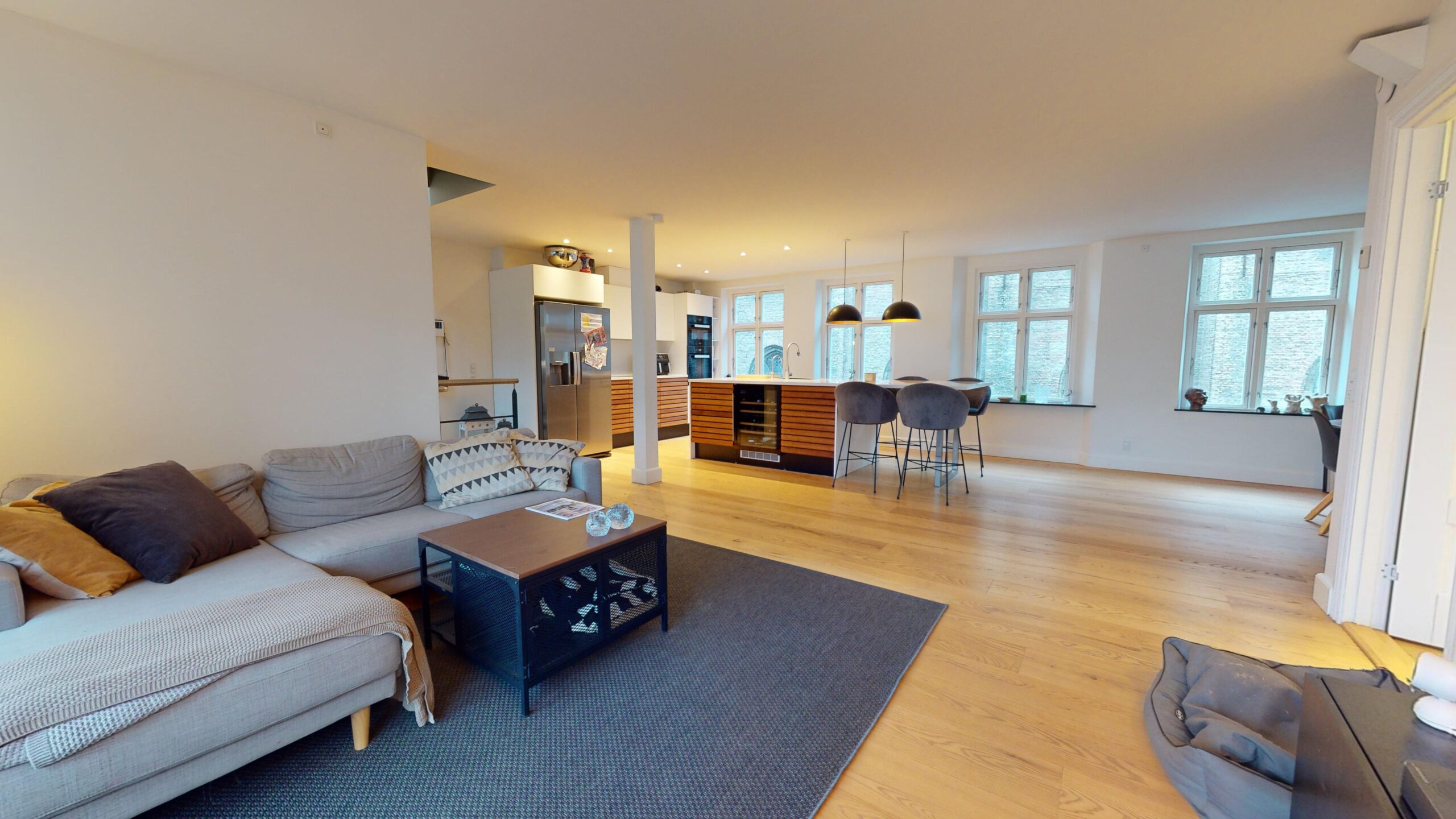 CPH-6609
Landmark | 2 Bedrooms | Roof terrace
€190.00/Night
€2,990.00/Month
View details
 CPH-6621
Apartment in the Heart of Copenhagen
€130.00/Night
€2,110.00/Month
View details
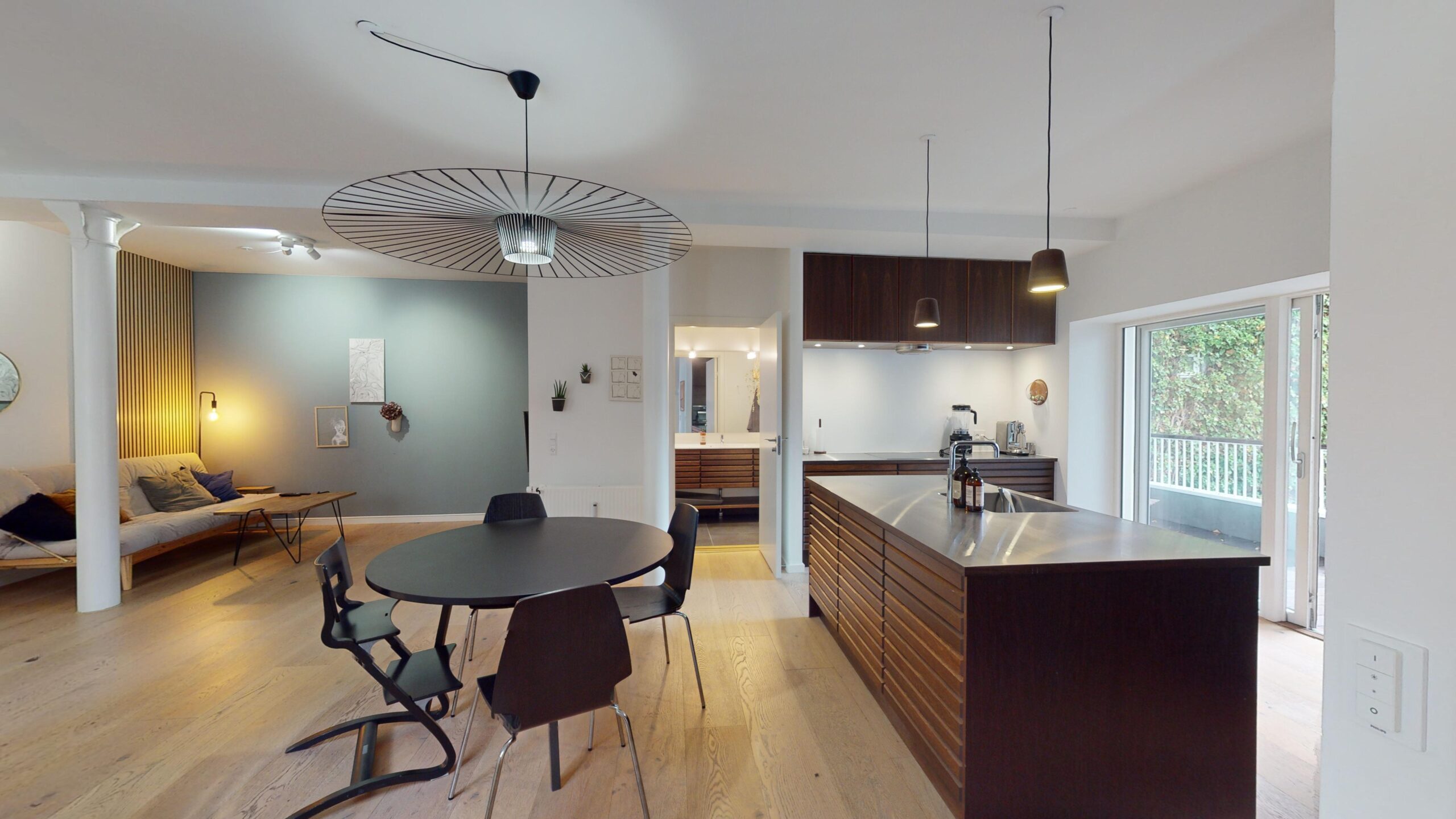 CPH-3000
Åbenrå | 2 Bedrooms | Central
€135.00/Night
€2,350.00/Month
View details
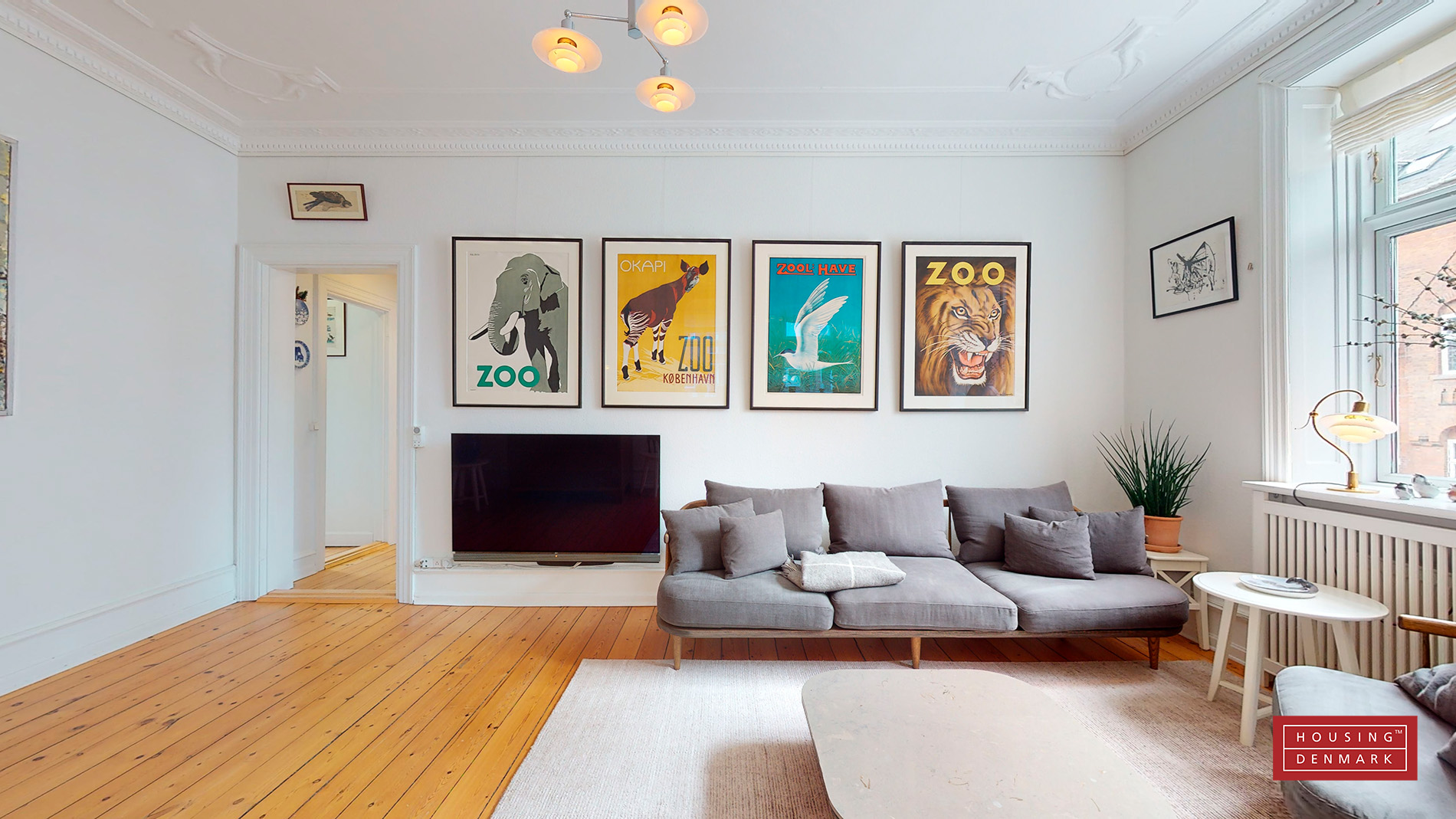 CPH-3030
Beautifully Apartment in Østerbro
€130.00/Night
€2,210.00/Month
View details