Gothenburg City Guide
Gothenburg City Guide: West Coast Energy, Creative Districts, and Where to Stay
Gothenburg is one of the most relaxed and livable city stays in Northern Europe. It offers a different rhythm from Stockholm: more compact, more casual, and shaped by seafood, trams, neighborhood culture, and close access to the coast and archipelago.
Why Stay in Gothenburg
Gothenburg is especially attractive for guests who want a city with personality but not excess scale. It feels friendlier, looser, and easier to settle into than many larger northern capitals.
That makes it a strong option for shorter cultural trips, longer relaxed stays, and guests who value neighborhood life, local restaurants, and proximity to the sea as much as headline attractions.
Gothenburg Culture and Lifestyle
Gothenburg is known for seafood, trams, a strong café culture, and a more informal city personality than Stockholm. The west coast setting shapes the mood: the sea is close, the archipelago matters, and daily life often feels more relaxed and sociable.
The city also has a strong creative and design-aware side, visible in former working-class districts that are now full of restaurants, cafés, independent shops, and cultural venues.
West coast identity
Seafood, saltwater proximity, and easy access to the archipelago give Gothenburg a distinctive coastal feel.
Creative districts
Areas such as Haga, Majorna, Linnéstaden, and Magasinsgatan show the city's most appealing local texture.
Daily rhythm
Gothenburg feels open and comfortable, with less pressure and more ease than many larger urban markets.
Best Neighborhoods in Gothenburg
Goteborg.com describes a wide spread of neighborhoods, from classic central districts and Haga to creative Majorna, Kvillebäcken, and riverside areas such as Eriksberg and Lindholmen. In Gothenburg, the district choice has a direct impact on the tone of the trip.
For first-time visitors
Central districts near the station and main tram routes make the easiest base for a first stay.
For classic Gothenburg charm
Haga offers cafés, historic feel, and a strong visitor-friendly identity without losing local atmosphere.
For food and nightlife
Linnéstaden, Järntorget, and nearby areas suit guests who want restaurants, bars, and stronger evening energy.
For creative local life
Majorna and other former working-class districts bring more local culture and a looser, more independent feel.
Real Estate and Staying Options
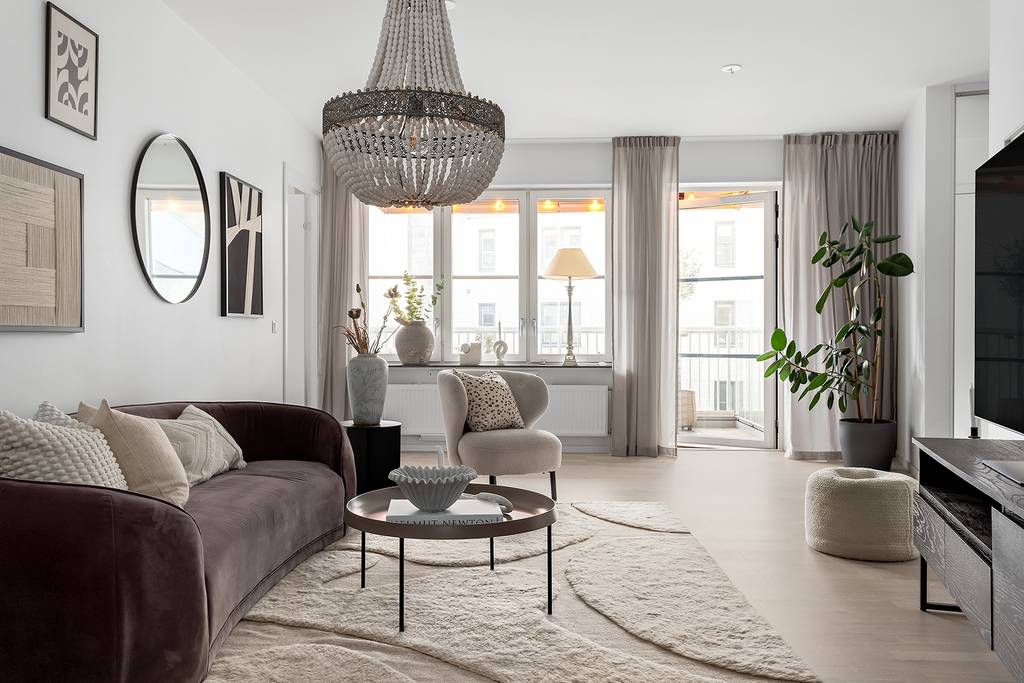
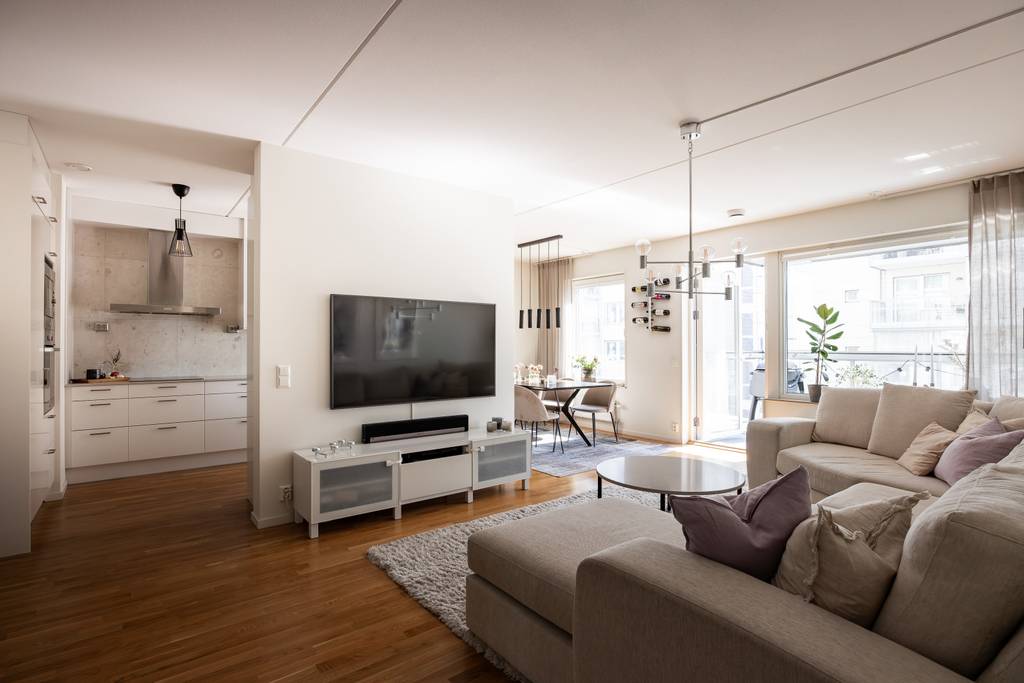
Gothenburg apartments often offer good everyday livability: solid layouts, practical district access, and a balance between city center and calmer neighborhoods. Premium value here comes less from grand formality and more from district fit, light, and ease.
For short stays, tram-connected central districts are often best. For longer stays, guests may benefit from a more local neighborhood where food, cafés, and everyday movement feel more natural.
- A well-connected tram location is especially valuable in Gothenburg.
- District character can matter more than postcard centrality.
- For longer stays, local café and food density adds more value than guests often expect.
Cost of Living in Gothenburg
As of March 9, 2026, Gothenburg is less expensive than Stockholm in housing and several daily categories, while still offering strong quality of life and a very workable urban base.
Recent city benchmarks point to roughly SEK 9,988 per month for a one-bedroom in the city center, about SEK 7,743 outside the center, an inexpensive restaurant meal around SEK 132.50, a cappuccino around SEK 48.25, and a one-way local transport ticket at SEK 37. Furnished short and monthly stays can rise above those averages depending on exact district and apartment quality.
Dining
Food costs are not low, but Gothenburg generally feels more accessible than Stockholm while still delivering strong quality.
Transport
Tram-based movement is easy enough that many guests can stay comfortable without extra transfer costs or taxis.
Housing
The premium is driven by district quality and stay comfort more than by pure prestige positioning.
Top Things to Do
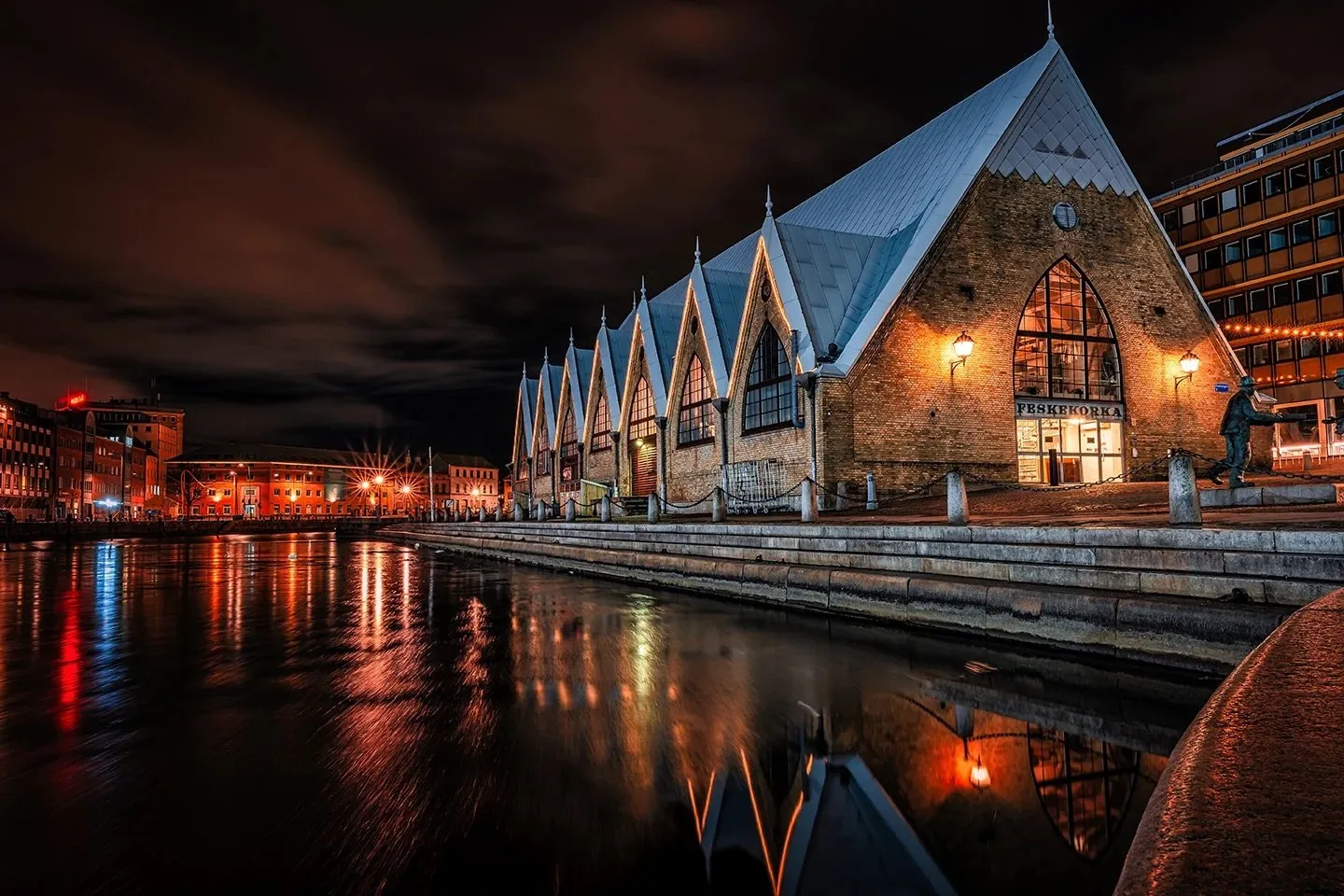
Haga, Avenyn, the archipelago, the riverside, local cafés, seafood restaurants, and creative districts define the Gothenburg stay. The city is less about monumental landmarks and more about atmosphere and district life.
For longer stays, access to the sea and the city's easy scale become two of its strongest advantages.
Public Transport in Gothenburg
Gothenburg is very manageable without a car. Trams are central to the city experience, supported by buses, ferries, and regional links through Västtrafik.
Current city benchmarks place a one-way local transport ticket at SEK 37 and a monthly pass at SEK 860. Västtrafik also confirms single tickets, day tickets, and season tickets across buses, trams, trains, and boats in the region.
- Trams are the backbone of city movement and shape which areas feel most practical.
- A car is usually unnecessary for city-focused Gothenburg stays.
- Regional tickets also help if the stay includes nearby coastal movement.
Who Should Stay in Gothenburg
Couples
Excellent fit for relaxed city breaks with strong food, cafés, and coastal atmosphere.
Remote workers
A strong option when calm, neighborhood feel, and everyday quality matter more than sheer scale.
Longer-stay guests
Very good for guests who want a livable city with strong local identity and manageable daily logistics.
Travelers who dislike oversized capitals
Gothenburg is often ideal for people who want a real city but not the pressure of a much larger one.
Local Tips for a Better Stay
- Choose a tram-friendly district before anything else.
- For first stays, central Gothenburg or Haga is usually the easiest base.
- For longer stays, local neighborhoods such as Majorna or other creative districts can feel more rewarding.
- Gothenburg is best experienced through districts, cafés, and coastal proximity, not just a sightseeing checklist.
FAQs About Staying in Gothenburg
Which area is best to stay in Gothenburg?
Central Gothenburg and Haga are strong first choices, while district-led stays such as Linnéstaden or Majorna can suit guests who want more local character.
Is Gothenburg expensive?
It is not cheap, but it is generally more accessible than Stockholm while still offering strong quality of life and urban comfort.
Is public transport good in Gothenburg?
Yes. Gothenburg is very easy to handle with trams, buses, and regional transport.
Is Gothenburg good for a monthly stay?
Yes, especially for guests who want a manageable, design-aware, coastal city with good everyday rhythm.
What matters most in a Gothenburg apartment?
Tram access, district character, layout, and whether the apartment supports a central visit or a more local longer-stay routine.
Featured Apartments in Gothenburg
Selected stays that match the city guide, from central bases to longer-stay options.