Cologne City Guide
Cologne City Guide: Rhine-Side Energy, Local Districts, and Where to Stay
Cologne is one of Germany's most approachable city destinations: social, walkable, and less formal than several larger German markets. It works well for guests who want an easy urban base with strong local districts, riverside movement, and a mix of business practicality and relaxed city life.
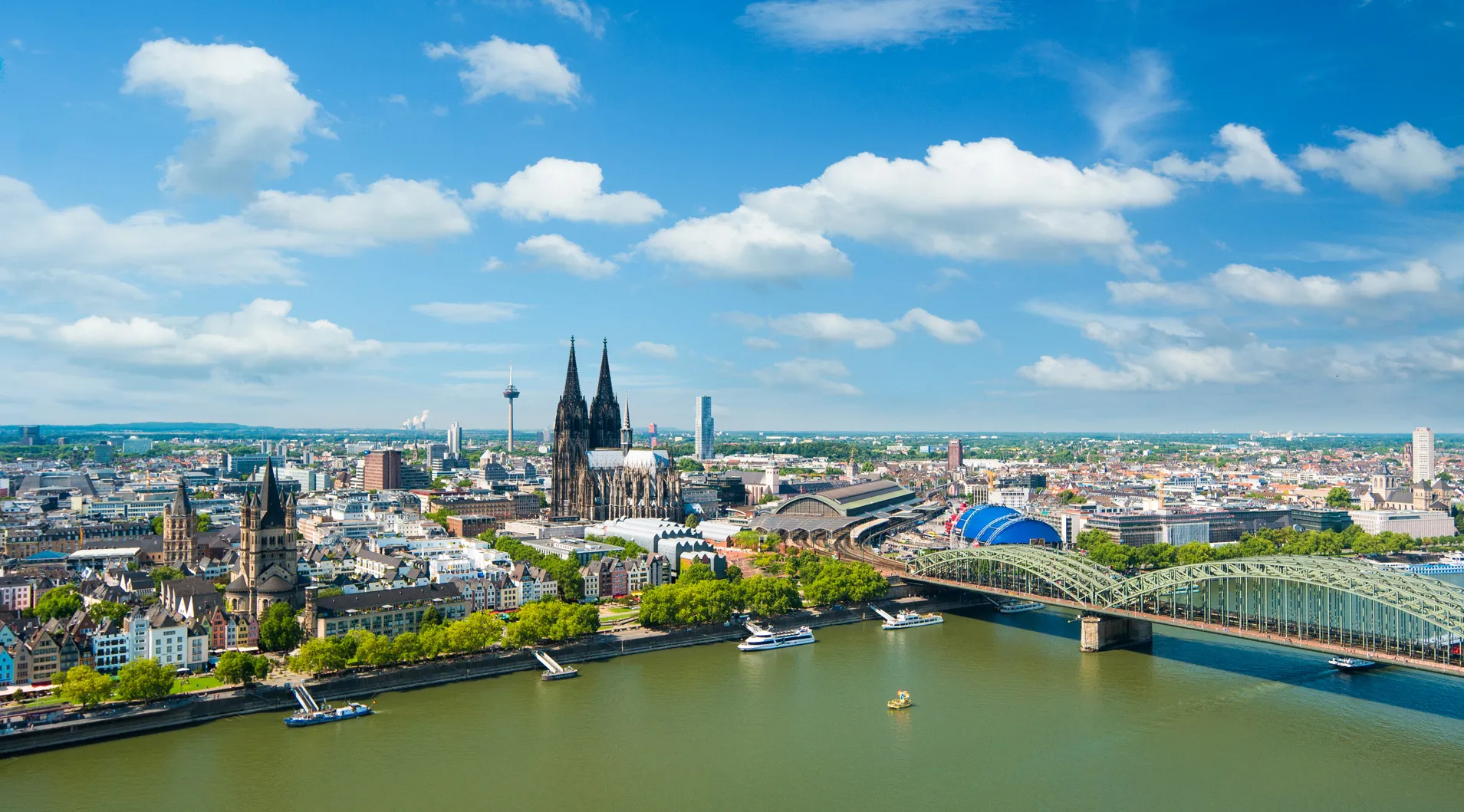
Why Stay in Cologne
Cologne is appealing because it feels easy to enter. The cathedral, the Rhine, and the central districts give visitors an immediate sense of place, but the city is also practical enough for longer stays and business travel.
It suits guests who want a straightforward urban rhythm with strong local identity. Compared with Berlin or Munich, Cologne often feels less segmented and more socially open, which makes short stays especially comfortable.
Cologne Culture and Lifestyle
Cologne is shaped by the Rhine, strong local traditions, a well-known social culture, and a city layout that balances central sights with neighborhood life. It can feel lively without becoming exhausting.
The city is especially good for guests who value bars, restaurants, riverside walks, and a more direct everyday atmosphere rather than a heavily formal luxury feel.
Local identity
Cologne has one of Germany's clearest local personalities, visible in everyday social life and neighborhood culture.
Urban setting
The Rhine, cathedral area, and spread of distinct districts shape movement through the city.
Food and social life
Neighborhood restaurants, casual dining, local beer culture, and active evenings make the city easy to enjoy.
Best Neighborhoods in Cologne
Cologne is not as vast as some larger German cities, but choosing the right district still matters. Guests usually decide between immediate centrality, more local neighborhood texture, or a more business-oriented practical base.
For first-time visitors
Central districts near the Rhine and cathedral are the easiest bases for a first stay.
For creative local energy
Ehrenfeld works well for cafés, restaurants, and a more independent district feel.
For business and event access
Deutz is practical for guests who need efficient movement and straightforward city access.
For longer residential stays
Quieter residential pockets beyond the busiest center can offer better daily comfort and calmer routines.
Real Estate and Staying Options
Cologne apartment value often comes from district convenience, layout efficiency, and whether the stay supports a social city visit or a longer practical routine. Compared with some premium German markets, apartments here can feel more directly functional.
For short stays, central or district-led locations work best. For monthly stays, quieter neighborhoods, transport access, and overall building comfort become more important than strict proximity to the cathedral zone.
- Central stays save time and work well for first visits or short business trips.
- District-led stays such as Ehrenfeld can feel more local and more characterful.
- For monthly stays, routine and transport are usually more important than tourist centrality.
Cost of Living in Cologne
As a March 2026 planning reference, Cologne remains more accessible than Munich in housing and broadly in line with other strong secondary German city markets, while still offering good everyday urban quality.
Recent city benchmarks point to roughly EUR 1,014 per month for a one-bedroom in the city center, about EUR 785 outside the center, a casual restaurant meal around EUR 15, a cappuccino around EUR 3.62, and a one-way local transport ticket around EUR 3.39. Furnished short and monthly stays will typically sit above those residential baselines depending on district and finish.
Dining
Daily food spending is moderate by German city standards, especially outside the most central areas.
Transport
The city is practical enough that transport cost usually feels proportional to the convenience gained.
Housing
The premium gap comes more from neighborhood quality and furnished readiness than from pure prestige alone.
Top Things to Do
The cathedral, Rhine walks, old town areas, museums, and district dining form the core Cologne stay. The city is not about endless headline attractions so much as easy urban enjoyment and neighborhood exploration.
That makes it especially good for relaxed short stays and business trips with time left for real city experience.
Public Transport in Cologne
Cologne is easy to move through without a car. U-Bahn, tram, S-Bahn, and rail links make the city practical for both central and slightly more residential stays.
Recent city benchmarks place a one-way local transport ticket around EUR 3.39 and a monthly pass around EUR 58. In practice, many visitors can combine walking with short public transport hops and avoid needing a car entirely.
- Walking is often enough for central districts and riverside areas.
- Public transport keeps Deutz and outer districts practical for stays.
- A car usually adds less value than guests expect for city-focused visits.
Who Should Stay in Cologne
Business travelers
A strong fit because Cologne is practical, connected, and easy to navigate.
Couples
Good match for social city breaks, riverside walks, and local dining.
Longer-stay guests
Works well when district quality and everyday convenience matter more than prestige alone.
Visitors who prefer approachable cities
Especially good for guests who want character and energy without excessive scale or complexity.
Local Tips for a Better Stay
- Choose between central convenience, district character, and business practicality before booking.
- For first trips, staying too far out rarely saves enough to justify the loss of ease.
- Ehrenfeld is worth considering when local atmosphere matters more than postcard centrality.
- Cologne is best experienced through districts and city rhythm, not just major sights.
FAQs About Staying in Cologne
Which area is best to stay in Cologne?
Central Cologne is best for first-time visitors, while districts such as Ehrenfeld or Deutz may fit better depending on the stay style.
Is Cologne expensive?
It is not a low-cost city, but it generally remains more accessible than Munich and several top-tier European capitals.
Is public transport good in Cologne?
Yes. Cologne is practical to navigate by tram, rail, and walking, especially for visitors staying near strong transit routes.
Is Cologne good for a monthly stay?
Yes, especially for guests who want a manageable German city with strong local identity and practical infrastructure.
What matters most in a Cologne apartment?
District fit, transit access, and whether the apartment supports the purpose of the trip: central short stay, district-led city break, or longer practical routine.
Featured Apartments in Cologne
Selected stays that match the city guide, from central bases to longer-stay options.
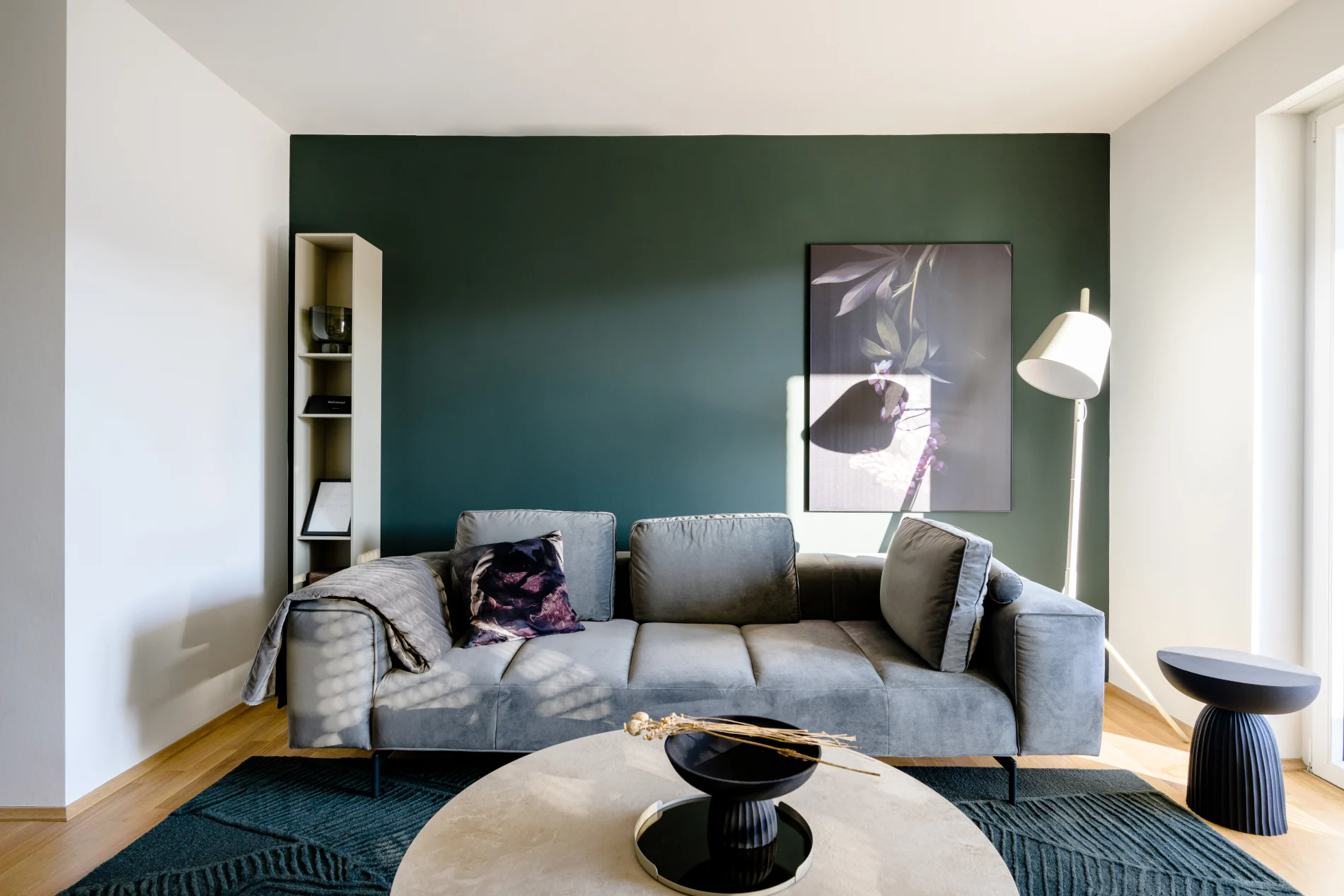 KLN-7676
Luxury Flat with balcony, Cologne Ehrenfeld
€140.00/Night
€1,880.00/Month
View details
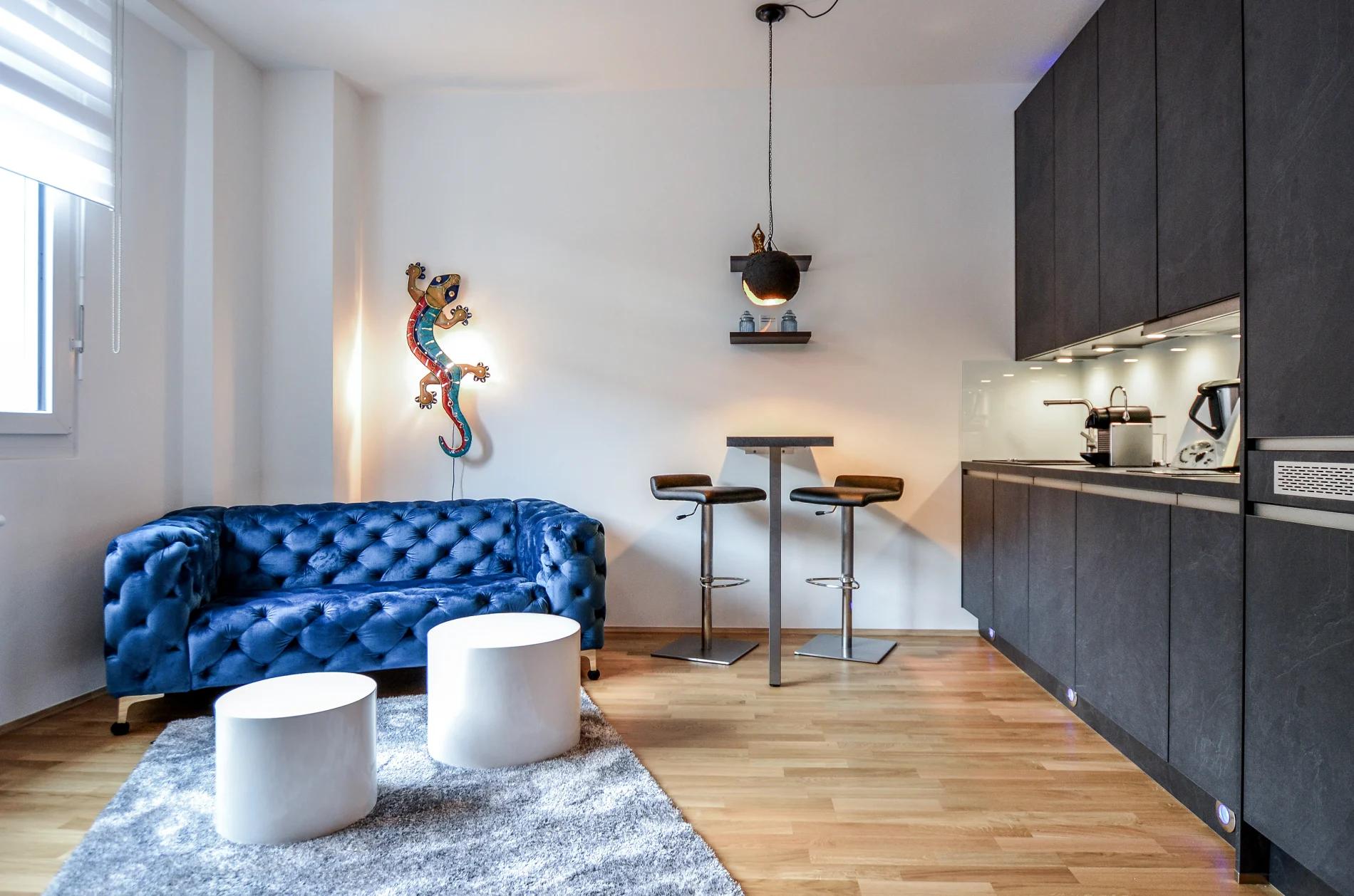 KLN-6644
Modern central apartment Cologne Deutz
€140.00/Night
€1,770.00/Month
View details
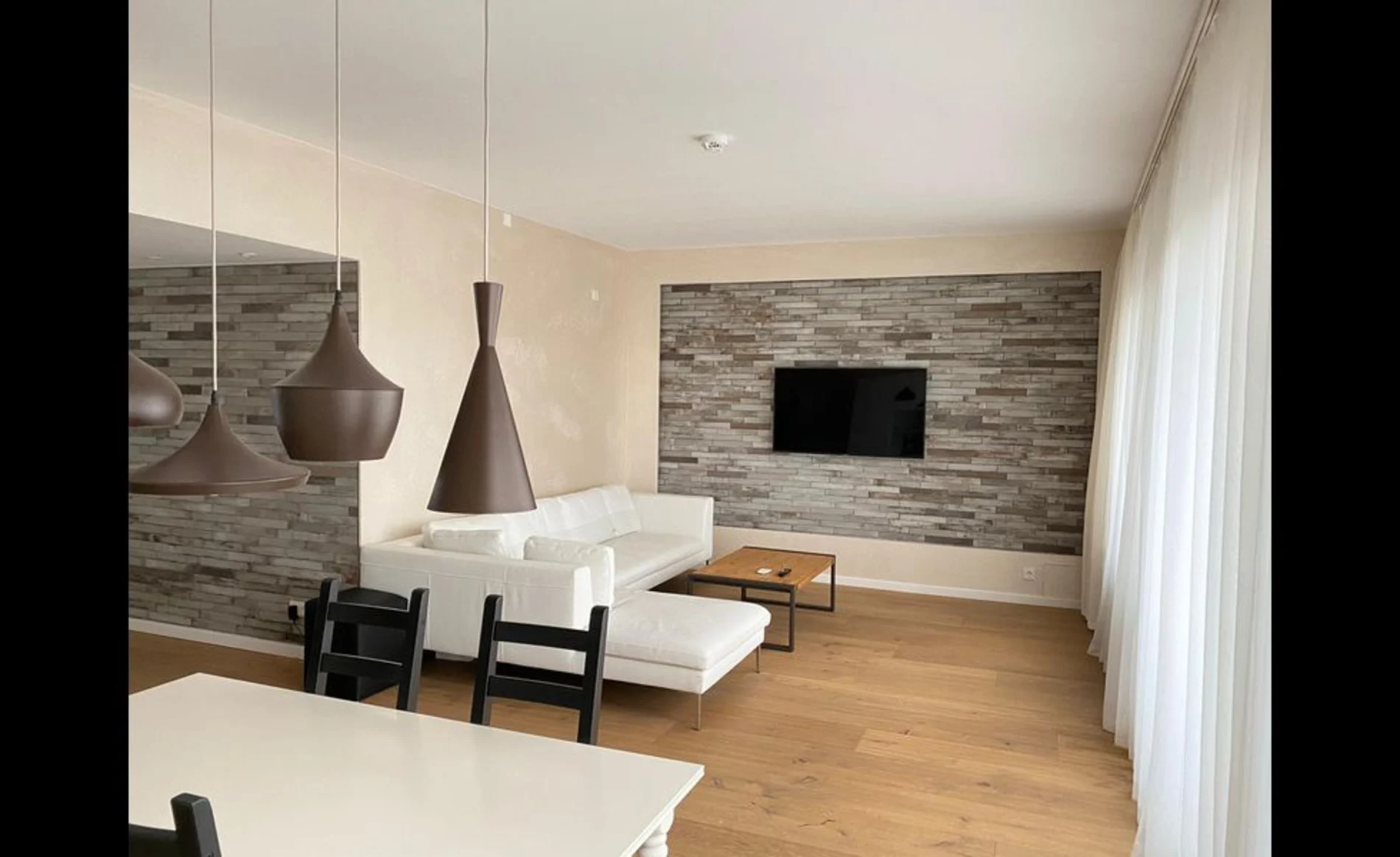 KLN-3565
Luxurious Penthouse Apartment
€150.00/Night
€2,470.00/Month
View details
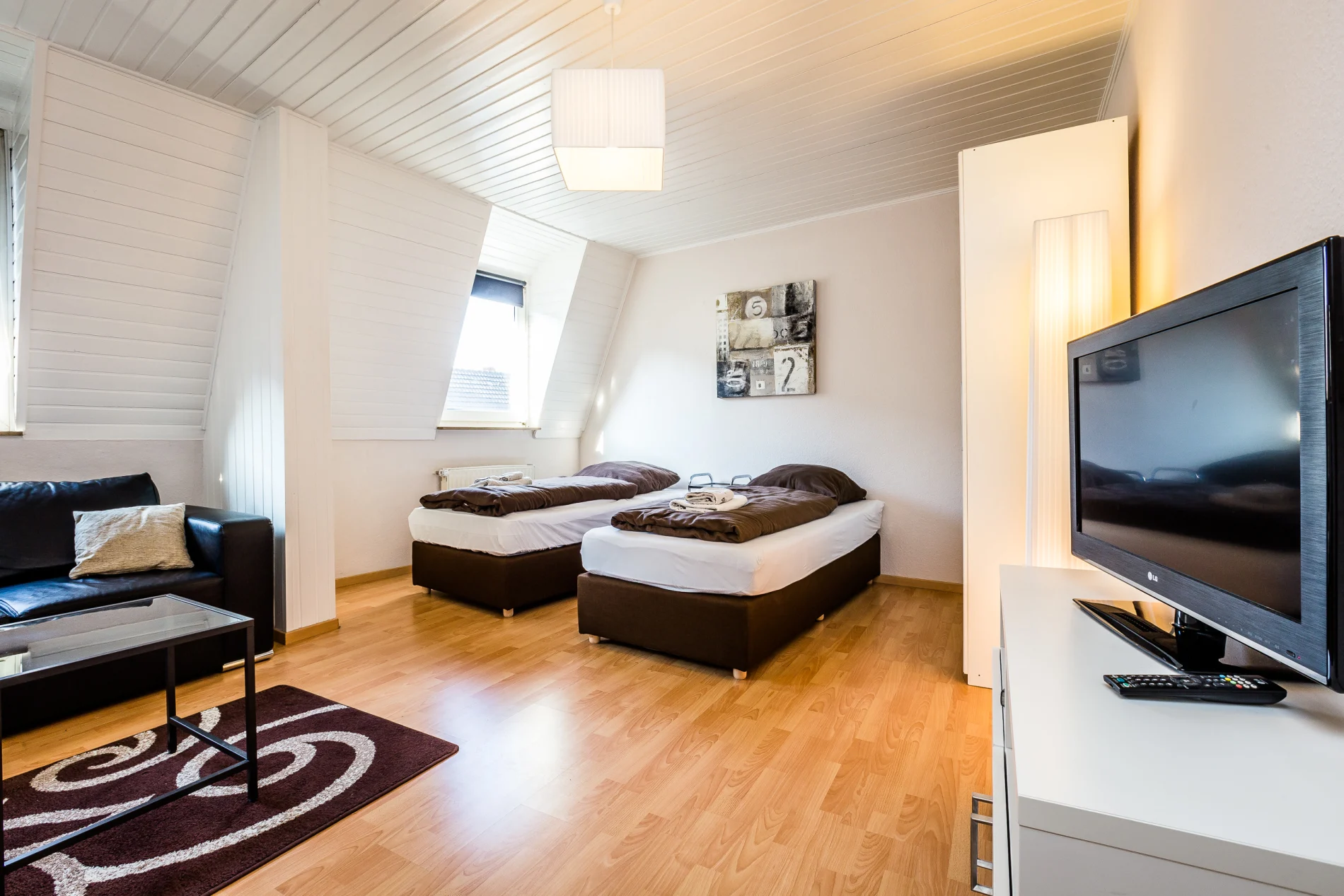 KLN-4003
3 Rooms Maisonette-Apartment, Terrace
€145.00/Night
€2,170.00/Month
View details