Madrid City Guide
Madrid City Guide: Elegant City Living, Neighborhood Character, and Where to Stay
Madrid is one of the easiest large capitals in Europe for guests who want culture, food, and polished day-to-day city living without coastal distractions. It works especially well for travelers who value walkable districts, strong museums, late dining, and a rhythm that feels social rather than rushed.
Why Stay in Madrid
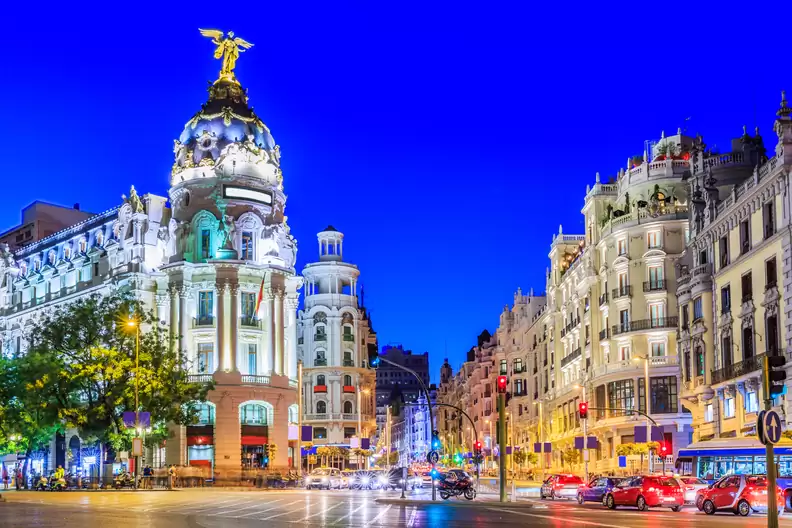
Madrid is a city that reveals itself through everyday quality rather than one single headline feature. It offers broad boulevards, major museums, food districts, parks, and neighborhoods that remain highly livable for visitors rather than feeling built only around tourism.
That makes it a strong choice for short breaks, business travel, and longer city stays where guests want a reliable routine. It is especially appealing to travelers who like culture, dining, and local street life but do not need a beach destination.
Madrid Culture and Lifestyle
Madrid combines grand architecture with a warm social culture. The city is shaped by galleries, cafés, markets, neighborhood bars, and an evening rhythm that starts later than many international visitors expect.
It feels formal in some districts and relaxed in others. That range is part of its appeal: Salamanca and Castellana feel polished and upscale, while Malasaña, Lavapiés, and La Latina bring more creative energy and nightlife.
Art and museums
The Prado, Reina Sofia, Thyssen, and nearby cultural institutions make Madrid one of the strongest art capitals in Europe.
Food scene
Expect tapas, classic taverns, wine bars, modern Spanish dining, and strong neighborhood-level restaurant culture.
Daily rhythm
Lunch runs late, dinners start later, and city life stays active well into the evening.
Best Neighborhoods in Madrid
Madrid rewards neighborhood selection. The city is efficient enough that many areas remain practical, but the tone of the trip changes a lot depending on whether you choose a polished district, a nightlife-led quarter, or a calmer residential pocket.
For first-time visitors
Centro, Sol, and nearby elegant districts work best for guests who want landmark access and minimal planning friction.
For premium city feel
Salamanca and Castellana offer the most polished stay experience, with luxury shopping, wide streets, and a more refined residential tone.
For creative energy
Malasaña and parts of Lavapiés suit guests who want independent cafés, nightlife, and more informal local culture.
For park access and longer stays
Retiro and nearby residential zones balance calm living, green space, and quick access to the center.
Real Estate and Staying Options
Madrid apartments often combine classic city-center buildings with more contemporary interiors. In premium districts, the strongest value drivers are location, natural light, building quality, and how easily the apartment supports both comfort and movement through the city.
For short stays, guests usually benefit from a central address near cultural or dining districts. For monthly stays, factors such as workspace potential, neighborhood services, quieter streets, and proximity to metro connections become more important.
- Central stays are ideal when walkability and museum access matter most.
- Residential premium districts suit longer trips and calmer routines.
- Madrid works especially well for guests who want a city apartment rather than a resort-style base.
Cost of Living in Madrid
As a March 2026 planning reference, Madrid sits below London and Paris in many daily categories, but central furnished housing in the best districts still commands a clear premium.
Recent city benchmarks point to roughly EUR 1,288 per month for a one-bedroom in the city center, about EUR 996 outside the center, a typical inexpensive meal around EUR 15, and a cappuccino around EUR 2.50. Furnished short and monthly stays can rise above those averages depending on district, design level, and flexibility.
Dining
Madrid offers a wide range of quality dining, from simple neighborhood spots to refined restaurant addresses, with strong value compared with several other major capitals.
Transport
Efficient public transport helps reduce day-to-day travel costs and keeps many neighborhoods practical.
Housing
The main difference in price comes from district quality, building standard, and furnished readiness for short or monthly stays.
Top Things to Do
The classic framework is clear: the Prado, the Royal Palace, Plaza Mayor, Gran Via, El Retiro, and museum time around the Art Triangle. But Madrid works best when guests also slow down into local routines.
Market visits, terrace lunches, evening walks, and neighborhood dining often become the parts of the trip that define the stay more than the major monuments themselves.
Public Transport in Madrid
Madrid has one of the most practical public transport systems in Europe for city stays. Metro, bus, commuter rail, and airport links make it easy to move between districts without relying on taxis or a car.
Tourism Madrid highlights the metro as the quickest way to reach most parts of the city, with over 300 stations and 15 lines. It also notes that the Airport Express links Barajas with the city center in about 40 minutes for EUR 5, which makes arrivals straightforward for most visitors.
- A central apartment reduces the need for repeated transfers and keeps much of Madrid walkable.
- Metro is usually the fastest option for cross-city movement.
- A car is rarely useful for a city-focused Madrid stay.
Who Should Stay in Madrid
Couples
Excellent fit for dining, culture, evening city life, and elegant short breaks.
Business travelers
Strong choice thanks to airports, transit, and a good supply of practical districts with polished apartment stock.
Remote workers
A strong option when guests want urban structure, museums, cafés, and livable neighborhoods for longer routines.
Families
Works best with enough apartment space and a district that balances park access with manageable daily logistics.
Local Tips for a Better Stay
- Choose by district feel first: polished, central, creative, or residential.
- For first visits, staying too far out usually saves less than expected once convenience is factored in.
- For longer stays, prioritize natural light, metro access, and nearby food options.
- Madrid is a late city, so evening atmosphere matters when choosing your base.
FAQs About Staying in Madrid
Which area is best to stay in Madrid?
For many guests, central districts or Salamanca are the strongest choices, depending on whether you prioritize landmarks or a more refined residential atmosphere.
Is Madrid expensive for travelers?
It is not a budget city, especially for central furnished stays, but many daily expenses remain more accessible than in several other major European capitals.
Is public transport good in Madrid?
Yes. Madrid has one of the city's clearest advantages in Europe: an extensive and efficient public transport network.
Is Madrid good for a monthly stay?
Yes, especially for guests who want routine, dining, museums, and urban comfort without needing a resort destination.
What should I prioritize in a Madrid apartment?
District fit, natural light, ease of movement, and whether the apartment matches the pace of the trip: short central break, business trip, or longer residential stay.
Featured Apartments in Madrid
Selected stays that match the city guide, from central bases to longer-stay options.
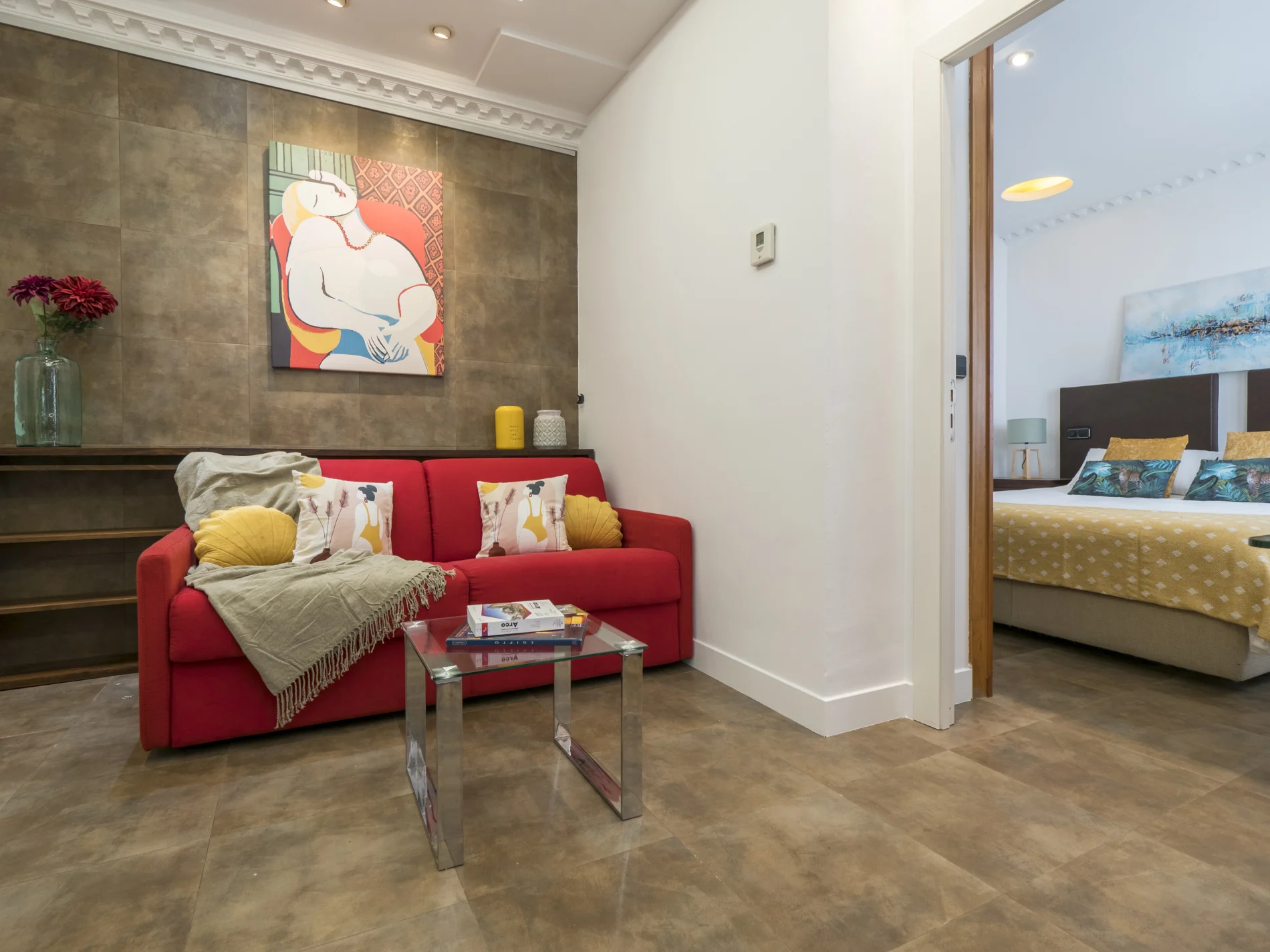 MAD-0069
Chic and New Apartment
€ 90.00/Night
€1,850.00/Month
View details
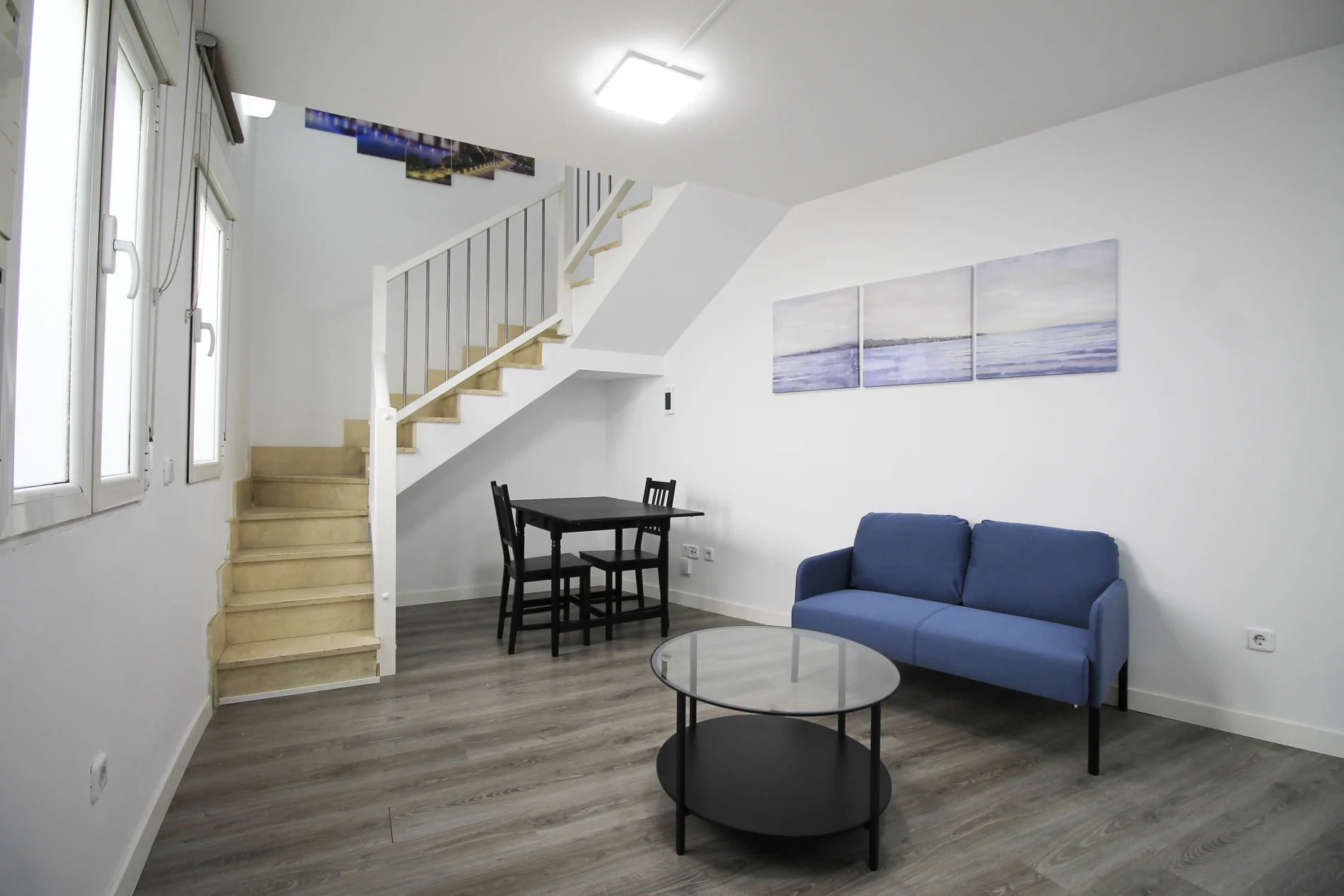 MAD-4343
Apartment in Lavapiés District
€ 80.00/Night
€1,350.00/Month
View details
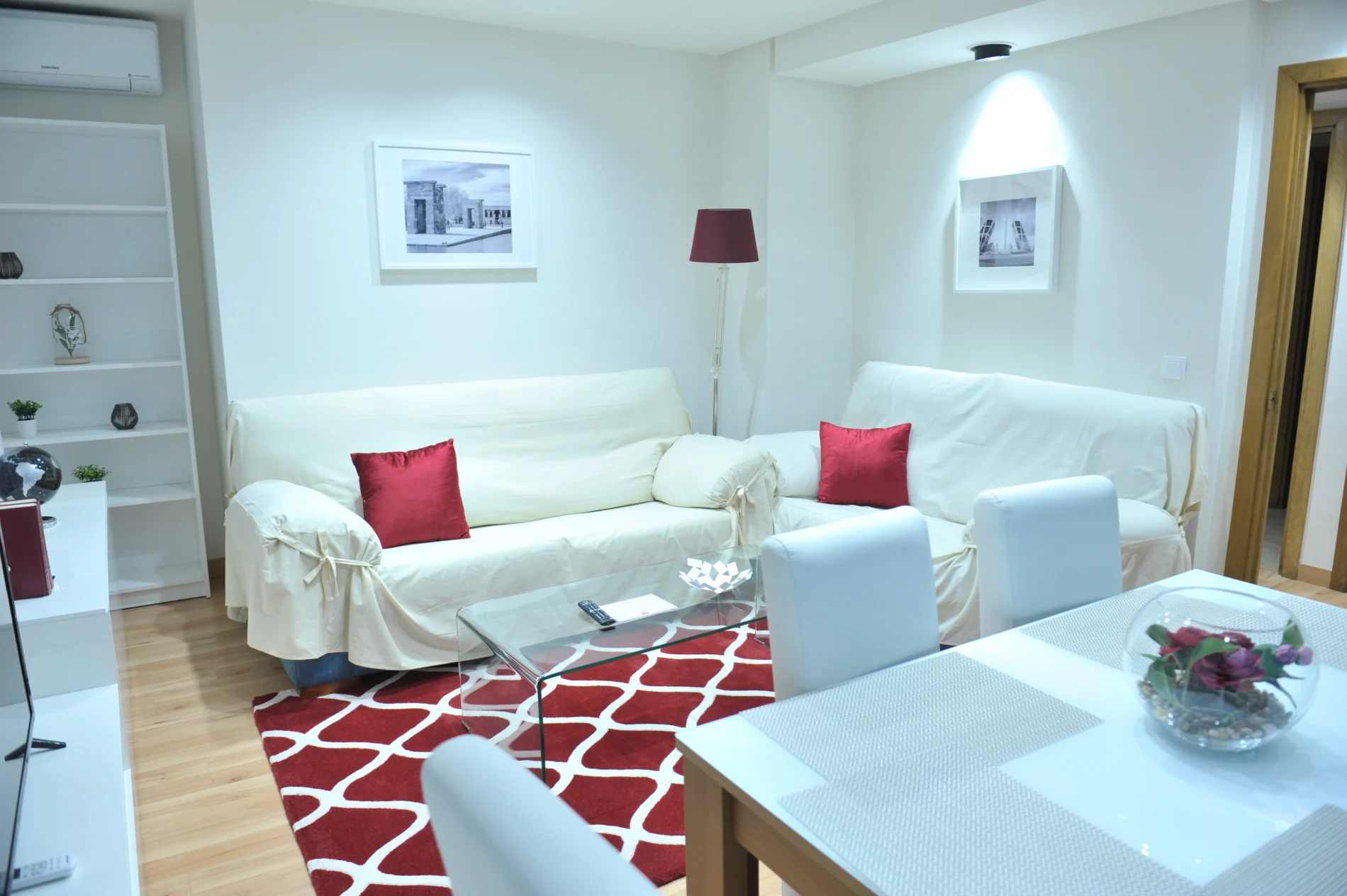 MAD-8760
Bright 2 Bedroom Apartment in Castellana
€135.00/Night
€2,980.00/Month
View details
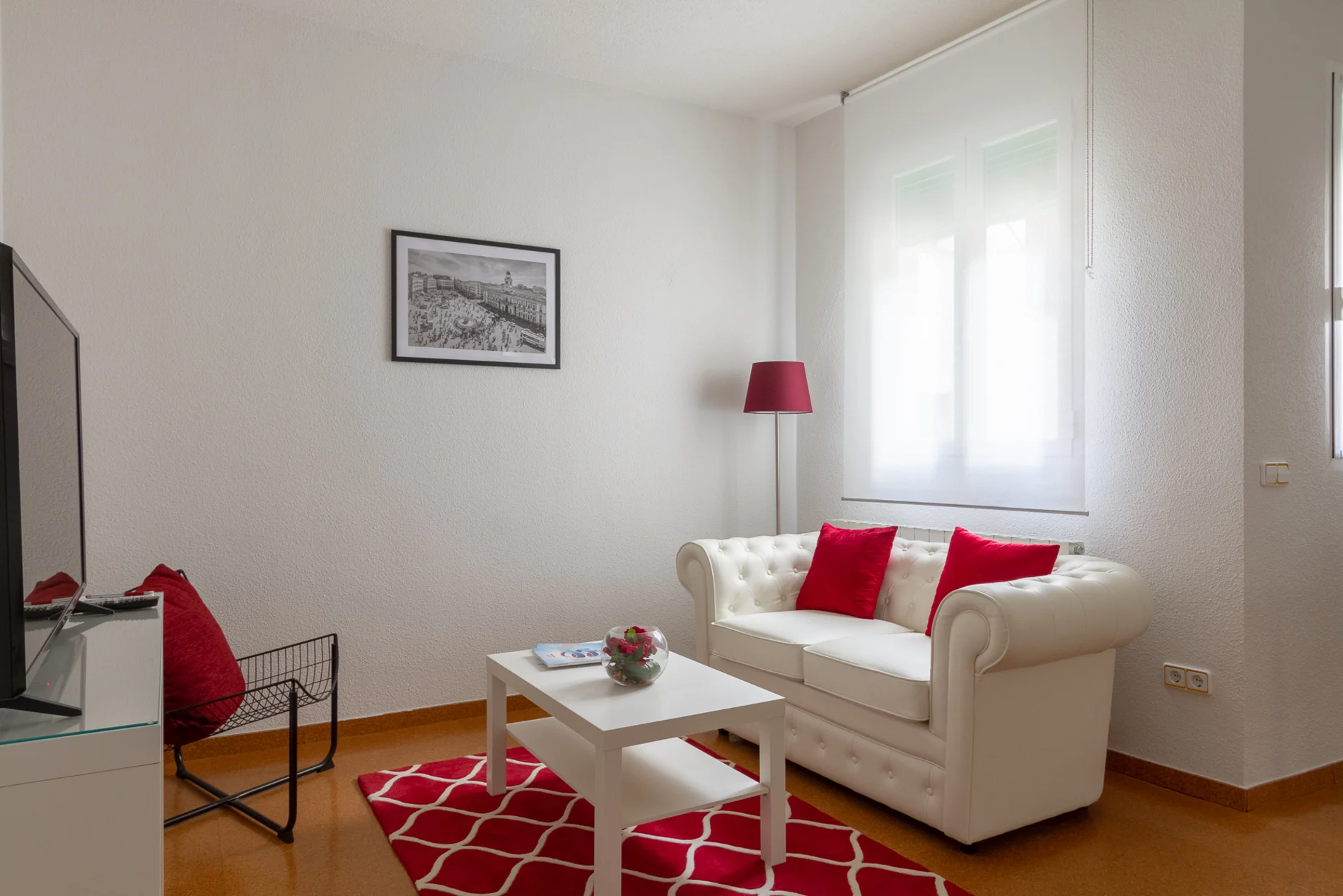 MAD-3939
Beautiful 2 Bedroom Apartment close to Retiro Park
€120.00/Night
€2,350.00/Month
View details