Rome City Guide
Rome City Guide: Historic Living, Neighborhood Rhythm, and Where to Stay
Rome is not just a sightseeing city. It is a layered place where neighborhood atmosphere, walkability, and apartment position matter as much as the headline landmarks. For the right guest, staying in Rome means living among history while still having access to daily cafes, quieter residential pockets, and elegant local routines.
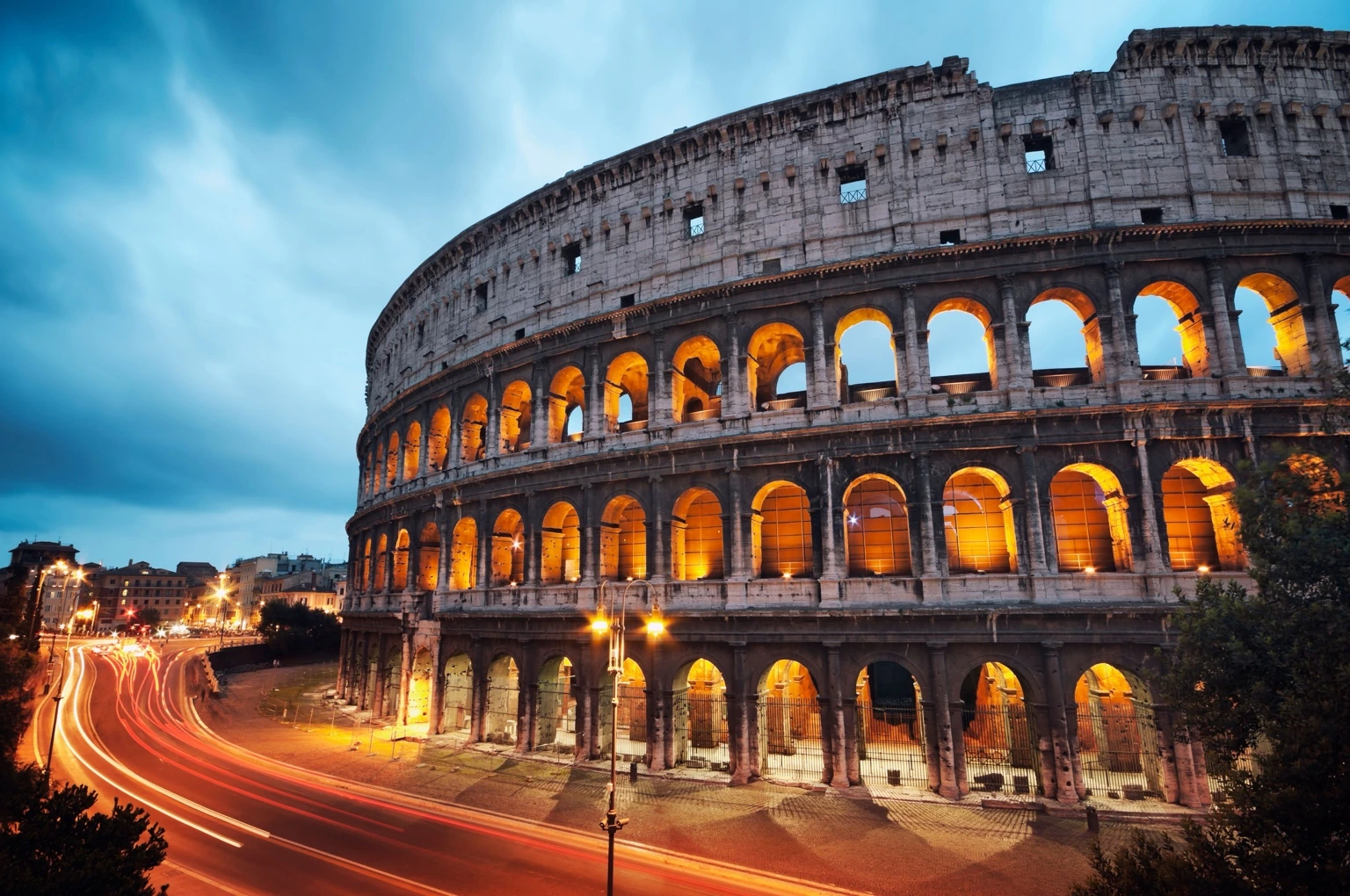
Why Stay in Rome
Rome is a city where the environment becomes part of the stay itself. A normal route to dinner can pass a church facade, a piazza, and a street that still feels unmistakably Roman rather than built only for visitors.
That makes Rome especially attractive for guests who want atmosphere over speed. It suits short cultural trips, slower luxury travel, and longer stays built around food, walking, and neighborhood identity rather than strict efficiency.
Rome Culture and Lifestyle
The city moves on ritual as much as schedule: coffee standing at the bar, long lunches, evening passeggiata, neighborhood markets, and a constant dialogue between monumental history and everyday life.
Architecturally, Rome is less uniform than cities such as Paris or Barcelona. Its appeal comes from layers: classical ruins, baroque churches, palazzi, courtyards, and residential streets that feel intimate even close to major sights.
Food and social life
Roman trattorias, wine bars, bakery stops, and neighborhood dinners matter more than trend-driven dining alone.
Urban feel
The city can feel dramatic, warm, and slightly improvised, which is part of its appeal for guests who prefer character over polish.
Events and seasons
Spring and autumn are especially attractive, but winter stays can feel elegant and more livable when the center is less intense.
Best Neighborhoods in Rome
Rome is less about one perfect district and more about fit. Historic-core stays are ideal for immersion, but guests should expect more foot traffic and older building stock. Residential premium districts trade immediate monument access for calm and everyday comfort.
For first-time visitors
Centro Storico and nearby Monti give immediate access to major sights and the strongest classic-Rome atmosphere.
For local dining and evening energy
Trastevere works well for guests who want restaurant density, atmosphere, and a more bohemian rhythm.
For polished residential appeal
Prati and Parioli are calmer and more ordered, with wider streets and a more residential premium feel.
For longer stays
Residential zones with stronger local services can be the better choice when the trip depends on routine and more space.
Real Estate and Staying Options
Rome rewards guests who understand the building stock. Many central apartments offer height, charm, and a strong sense of place, but layouts can be unconventional compared with newer urban markets.
For shorter stays, character often wins. For weekly or monthly stays, elevator access, air conditioning, practical kitchens, and easier neighborhood services become more important than historic romance alone.
- Historic-center apartments are ideal for atmosphere but can be less predictable in layout.
- Premium residential districts usually offer calmer streets and better day-to-day comfort.
- Larger groups often benefit from villa or multi-level options on the city edge rather than forcing a central compromise.
Cost of Living in Rome
As a broad March to April 2026 planning reference, Rome remains more accessible than Milan or central Paris for everyday spending, but premium furnished housing in strong districts still commands clear value.
Recent market averages point to roughly EUR 1,200 per month for a one-bedroom in the city center, about EUR 820 outside the center, a casual restaurant meal around EUR 15, a cappuccino just under EUR 2, and a monthly local transport pass around EUR 35. Furnished short and monthly stays can sit above those averages depending on exact location and presentation.
Food
Rome remains relatively good value for classic local dining if guests avoid overtly tourist-led streets.
Transport
Transport costs are reasonable, but many central visitors rely heavily on walking because that is often the best way to experience the city.
Housing
Location, condition, and historic-building quality drive pricing more than a simple center-versus-outside divide.
Top Things to Do
The obvious anchor points are the Colosseum, Forum, Vatican Museums, St Peter's Basilica, Piazza Navona, the Pantheon, and long walks through the historic core. But Rome becomes more memorable when guests also let the city slow down.
Morning coffee, late dinners, neighborhood wandering in Monti or Trastevere, and time in local markets often make the stay feel richer than simply moving from monument to monument.
Public Transport in Rome
Rome is manageable without a car, but not in the same frictionless way as Barcelona or Berlin. The city works best when guests combine walking with metro, bus, tram, and rail for longer hops.
ATAC lists the BIT ticket at EUR 1.50, valid for 100 minutes from first validation, including one metro journey. For airport access, most travelers use rail connections from Fiumicino or Ciampino-related transfers rather than relying on taxis for every arrival.
- Stay selection matters because walking distance reduces transport friction dramatically.
- Metro is useful, but buses and trams fill many of the practical gaps.
- A central apartment can save time in Rome more than in many other cities.
Who Should Stay in Rome
Couples
Excellent fit for slower luxury travel, food-led weekends, and atmosphere-driven stays.
Families
Works well when the apartment offers enough space and the itinerary is not overloaded with constant cross-city movement.
Culture travelers
One of Europe's strongest choices because the city itself feels like a continuous historic setting.
Longer-stay guests
Best in residential or semi-central districts where daily services are easier and the pace is more sustainable.
Local Tips for a Better Stay
- Do not choose only by distance to one monument; choose by overall walkability and neighborhood rhythm.
- If this is a first visit, stay central enough to rely on walking for the main part of the day.
- For monthly stays, prioritize practical comforts over purely historic charm.
- Plan airport transfers in advance because arrival logistics shape the first impression more than in smaller cities.
FAQs About Staying in Rome
Which area is best to stay in Rome?
It depends on the trip. Monti and the historic core are strong for first-time visitors, while Prati or calmer residential areas work better for guests who want more order and daily comfort.
Is Rome expensive for a longer stay?
It can be manageable compared with some top-tier European capitals, but premium furnished apartments in the best districts still sit above standard local residential averages.
Is public transport good in Rome?
It is useful rather than perfect. Rome works best when guests combine walking with metro, bus, and tram instead of expecting one system to do everything.
Is Rome good for families?
Yes, especially with the right apartment size and a neighborhood that reduces daily transfer time.
What makes a Rome apartment premium?
Location, building character, light, comfort features such as air conditioning and elevator access, and whether the apartment supports the pace of the trip.
Featured Apartments in Rome
Selected stays that match the city guide, from central bases to longer-stay options.
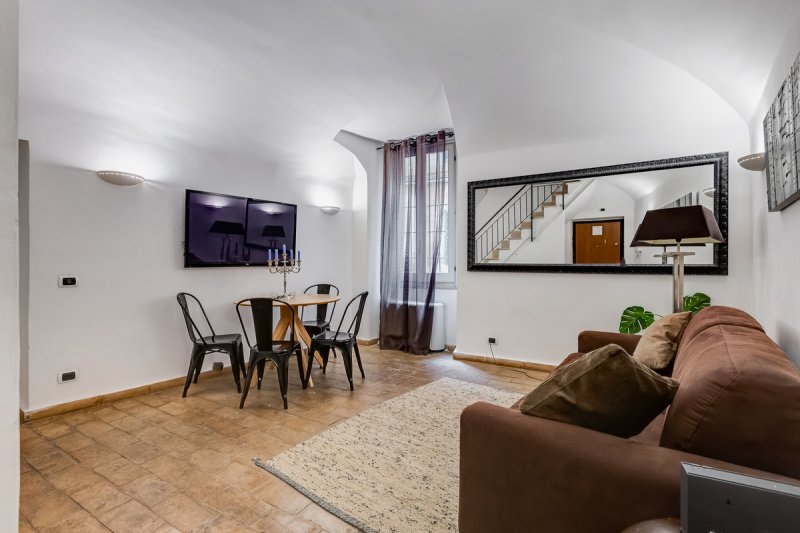 ROM-9506
Charming Two-Level Apartment in Monti
€110.00/Night
View details
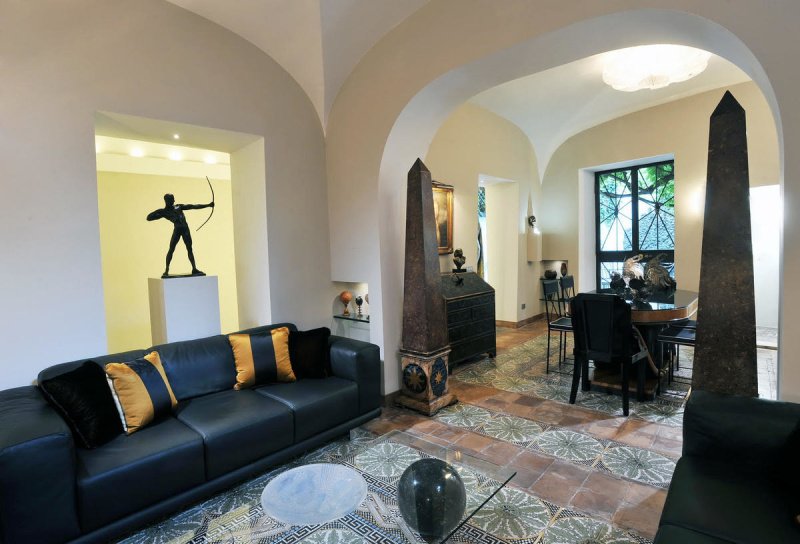 ROM-9988
Rare Trastevere Multi-Level Residence
€410.00/Night
View details
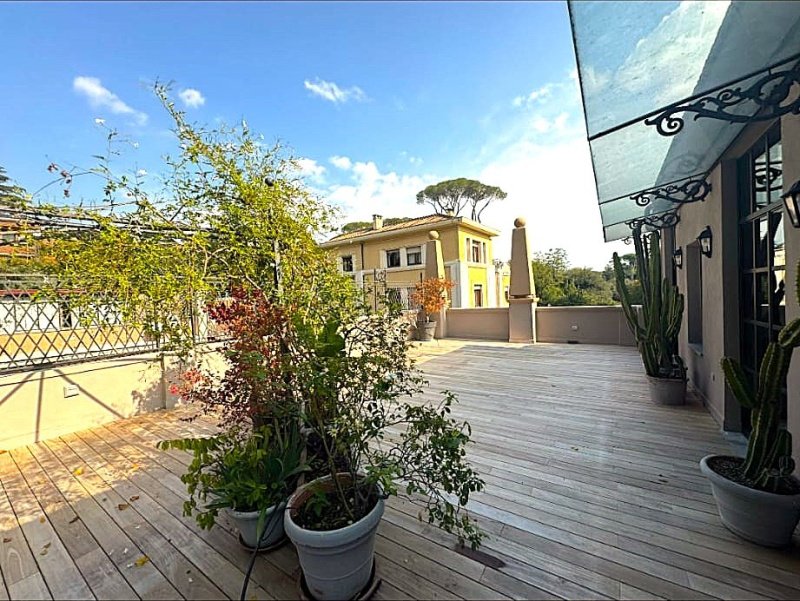 ROM-3212
Luxury Penthouse & Top-Floor Retreat
€320.00/Night
View details
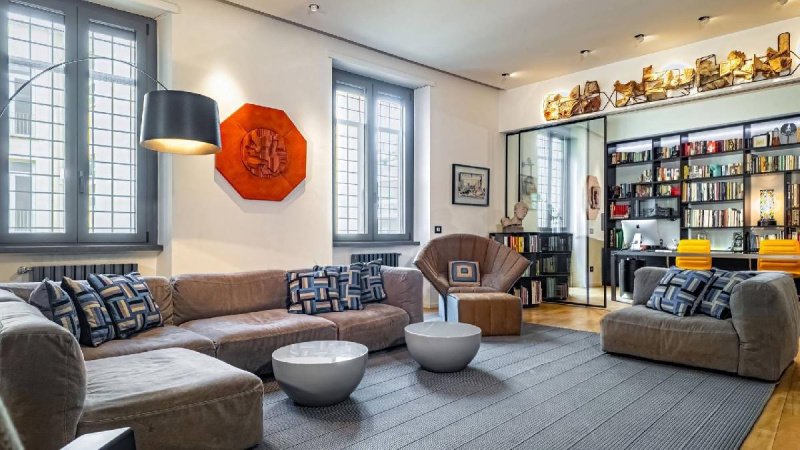 ROM-5575
Prestigious Designer Apartment on Via Lovanio
€460.00/Night
View details