Stockholm City Guide
Stockholm City Guide: Island Living, Design, and Where to Stay
Stockholm offers one of Europe's most distinctive stay experiences: water, islands, clean design, efficient transport, and neighborhoods that feel calm without being empty. It suits guests who want a polished northern capital with real everyday quality and a strong sense of place.
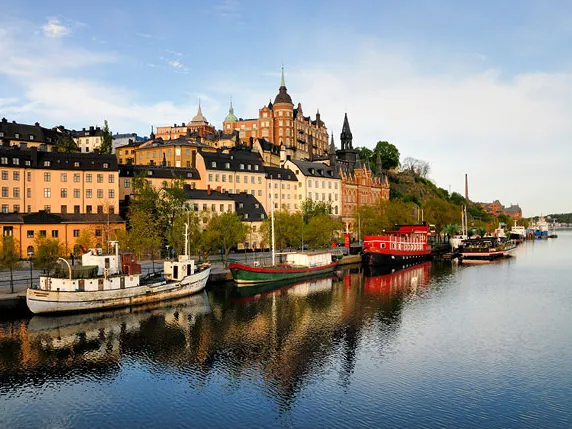
Why Stay in Stockholm
Stockholm works for guests who want a city that feels elegant and breathable at the same time. Its island geography, strong transport, and high everyday standards make it one of the easiest places in Europe to combine city access with calmer daily life.
That makes it especially strong for premium short stays, longer work-led trips, and visitors who care about design, waterfront living, and neighborhoods that still feel residential rather than purely visitor-driven.
Stockholm Culture and Lifestyle
Stockholm is shaped by design, technology, music, fashion, and a very visible relationship to water and public space. The city feels modern but not detached from history, with Gamla Stan, Djurgarden, and central island districts giving it clear depth.
Its daily rhythm is calmer than many southern capitals. Cafés, museums, waterfront walks, ferries, and district-based living define the stay more than a constant rush of nightlife.
Design and creativity
Stockholm is one of Europe's strongest cities for design, music, technology, fashion, and modern cultural identity.
Water and islands
The city is lived through bridges, ferries, waterfront promenades, and island districts, not only through streets and squares.
Daily rhythm
Expect an orderly city pace with strong café culture, cleaner lines, and a calmer social atmosphere than many larger capitals.
Best Neighborhoods in Stockholm
Visit Stockholm describes seven central districts, each with a distinct feel, from Södermalm's nightlife and trend culture to Djurgarden's green calm and Norrmalm's busier big-city pace. District choice shapes the stay in Stockholm more than many visitors expect.
For first-time visitors
Central districts such as Norrmalm, Gamla Stan, and nearby well-connected areas are the easiest for a first stay.
For laidback local energy
Södermalm is one of the city's best-known districts for independent cafés, nightlife, and a stronger sense of current Stockholm.
For green and calm surroundings
Djurgarden and nearby quieter zones appeal to guests who want park access, museums, and a more serene atmosphere.
For longer stays
Outer but well-connected residential districts can work very well when routine, space, and daily convenience matter more than staying in the postcard core.
Real Estate and Staying Options
Stockholm apartments often trade absolute size for quality of setting, light, layout, and proximity to water or strong district character. Premium value here often comes from design coherence and neighborhood feel rather than obvious luxury signaling.
For short stays, centrality and district atmosphere are usually the key variables. For longer stays, guests often benefit from better transport, calmer streets, and more residential space outside the most central core.
- Waterfront context and district feel add real value in Stockholm.
- A slightly outer but well-connected apartment can outperform a cramped hyper-central stay for monthly use.
- Natural light and layout matter especially strongly in the Nordic city context.
Cost of Living in Stockholm
As of March 9, 2026, Stockholm remains one of the more expensive city markets in Europe, especially in housing. The premium reflects overall city quality, transport, design, and strong demand rather than only tourist centrality.
Recent city benchmarks point to roughly SEK 16,150 per month for a one-bedroom in the city center, about SEK 10,243 outside the center, an inexpensive restaurant meal around SEK 159.50, and a cappuccino around SEK 50.40. Furnished short and monthly stays can rise meaningfully above those averages depending on district and finish.
Dining
Food and coffee are expensive by many European standards, but quality and consistency are generally high.
Transport
Transport spending is justified by coverage and ease, especially because it keeps many more districts practical for stays.
Housing
District quality and furnished readiness drive a significant premium in Stockholm.
Top Things to Do
Gamla Stan, island walks, museum visits, ferries, Södermalm streets, and time around Djurgarden form the classic Stockholm stay. But the city is often most memorable when guests give space to movement itself: metro art, waterside transitions, and district shifts.
For longer stays, Stockholm becomes less about a checklist and more about how well daily life feels once the neighborhood is right.
Public Transport in Stockholm
Stockholm has one of Europe's most efficient public transport systems. Visit Stockholm describes SL as covering metro, bus, tram, commuter rail, and certain ferry lines across Greater Stockholm.
Visit Stockholm also notes that a single ticket is valid for 75 minutes and costs SEK 43. That makes transport simple to understand for visitors and keeps a wide range of central and outer districts viable without a car.
- Metro, ferry, and commuter rail make district choice much more flexible than the map first suggests.
- A car is rarely necessary for Stockholm city stays.
- Transport quality allows guests to choose for atmosphere, not only for central postcode.
Who Should Stay in Stockholm
Remote workers
A very strong option because the city combines calm, design, strong transport, and livable neighborhoods.
Couples
Excellent fit for design-led city breaks, museums, waterfront walks, and high-quality dining.
Business travelers
Strong match thanks to efficiency, airport links, and a polished urban environment.
Longer-stay guests
Very good choice for guests who value routine, calm, and public transport more than constant nightlife.
Local Tips for a Better Stay
- Choose by district mood first: central, creative, green, or more residential.
- For first stays, central Stockholm is worth the convenience if the trip is short.
- For monthly stays, outer connected districts can offer better value and stronger routines.
- Stockholm rewards time spent moving through the city, not only checking major landmarks.
FAQs About Staying in Stockholm
Which area is best to stay in Stockholm?
For many guests, central districts or Södermalm are the strongest choices, depending on whether they want classic central access or more local contemporary energy.
Is Stockholm expensive?
Yes. Stockholm is one of the more expensive city markets in Europe, especially for housing and day-to-day dining.
Is public transport good in Stockholm?
Yes. It is one of the city's major advantages and makes a wide range of neighborhoods practical for visitors.
Is Stockholm good for a monthly stay?
Very much so, especially for guests who want calm, transport reliability, and strong everyday city quality.
What matters most in a Stockholm apartment?
District fit, natural light, layout, and whether the apartment supports the pace of the stay: short central break or longer residential routine.
Featured Apartments in Stockholm
Selected stays that match the city guide, from central bases to longer-stay options.
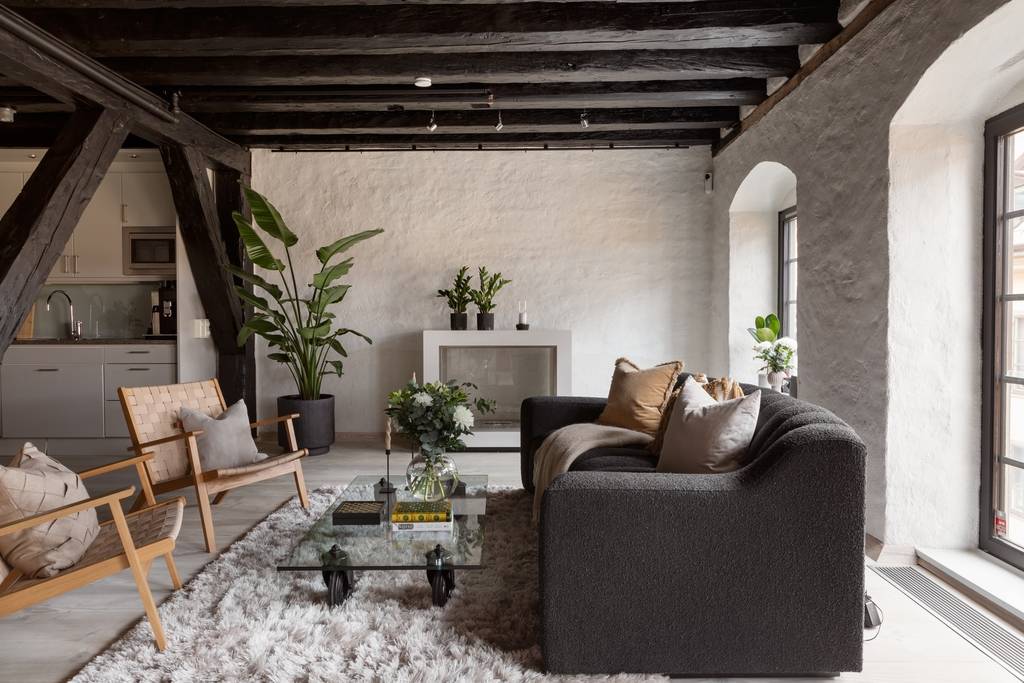 STH-0407
Luxury Apartment Gamla Stan
€190.00/Night
€2,870.00/Month
View details
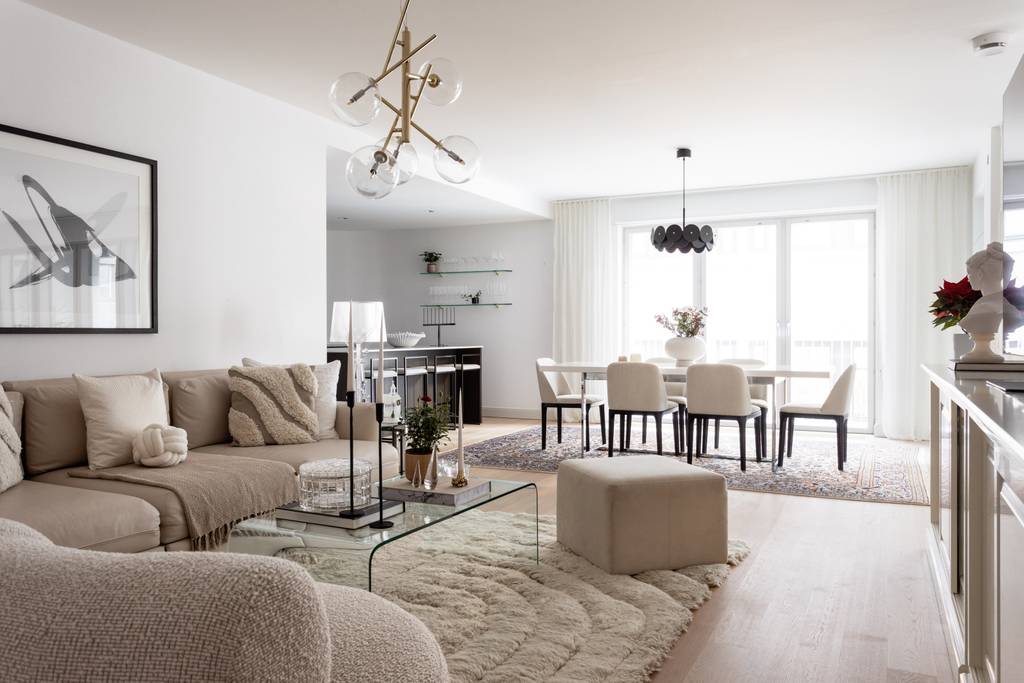 STH-7777
Apartment in the Heart of the City
€230.00/Night
€3,210.00/Month
View details
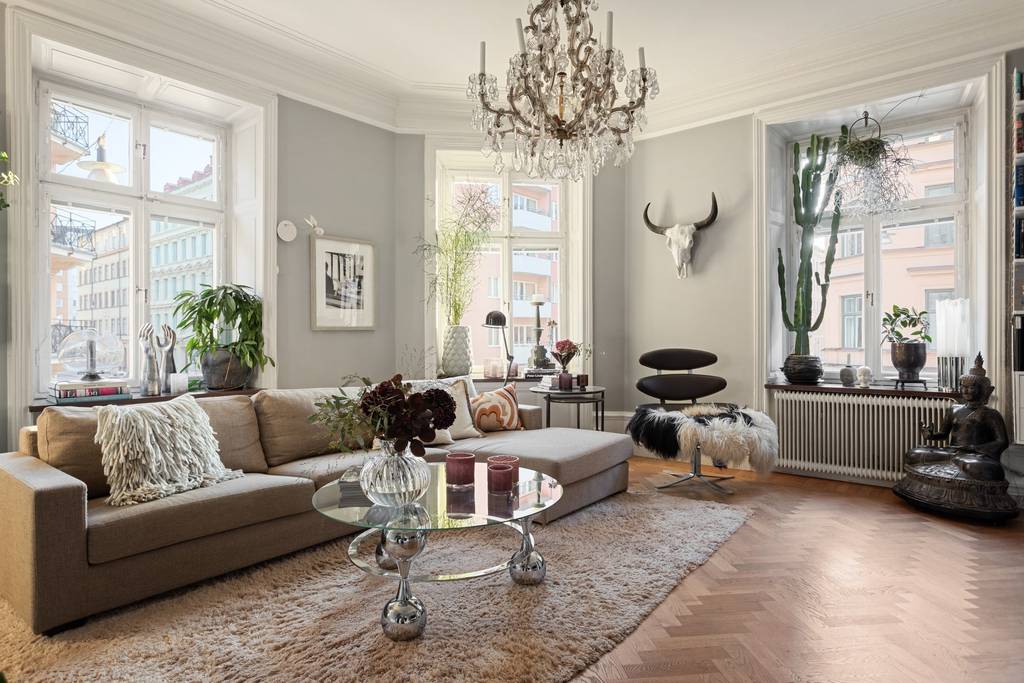 STH-8800
Stunning Historic Apartment
€210.00/Night
€3,270.00/Month
View details
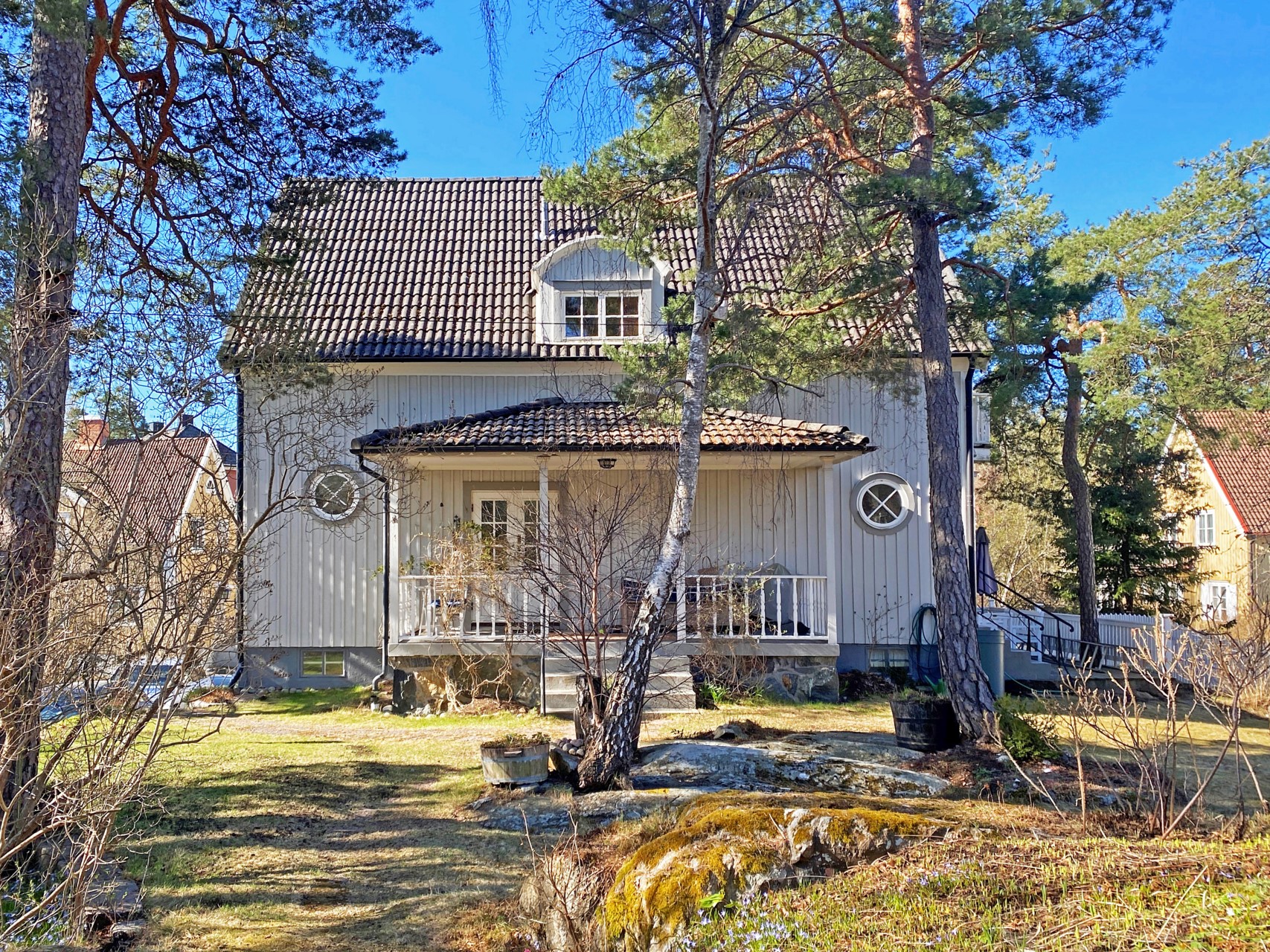 STH-2385
Villa 210 m² in Stockholm-Bromma
€220.00/Night
€5,110.00/Month
View details