Venice City Guide
Venice City Guide: Sestieri, Water Routes, and Where to Stay
Venice is unlike any other city stay in Europe. The experience is shaped by walking routes, canals, vaporetto lines, bridges, and sestieri rather than boulevards and metro stops. That makes district choice and apartment position even more important than in most urban destinations.
Why Stay in Venice
Venice is one of the most distinctive stay experiences in Europe because the city itself changes the way you move and live. Streets become calli, transport becomes vaporetto, and neighborhood choice is inseparable from the feel of the trip.
That makes Venice especially strong for culture-led short stays, romantic travel, and slower trips where atmosphere matters more than speed or standard urban convenience.
Venice Culture and Lifestyle
Venice is built around art, water, trade history, hidden courtyards, and district-based local life. Venezia Unica presents the city through its sestieri, each with a distinct identity, from Cannaregio's quieter authenticity to San Marco's iconic visibility and Dorsoduro's artistic focus.
The city is best experienced with patience. The reward comes less from quantity of sights and more from how the environment itself becomes part of daily movement.
Historic setting
Venice is one of the few cities where everyday movement through the urban fabric feels as meaningful as the formal attractions.
Food and local life
Bàcari, cicchetti, quieter local squares, and neighborhood restaurants shape the stay beyond the landmark circuit.
Sestieri identity
Each sestiere has its own rhythm, which is why area choice matters so much in Venice.
Best Neighborhoods in Venice
Venezia Unica describes Cannaregio, Castello, San Marco, Dorsoduro, San Polo, and Santa Croce as distinct sestieri, each with a different mood. In Venice, this is not just branding: the area you choose directly shapes how the city feels every day.
For first-time visitors
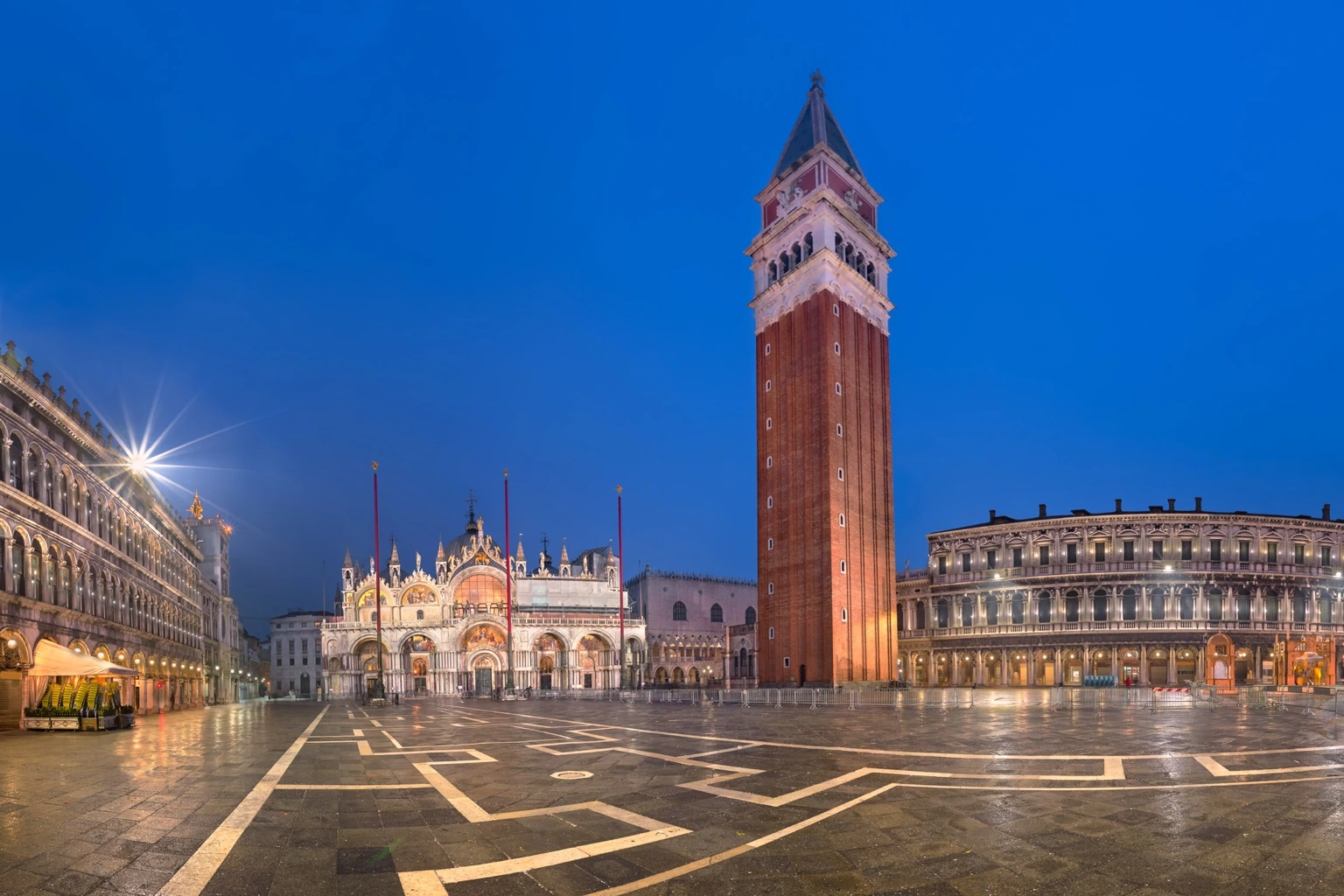
San Marco and nearby central zones offer the most immediate access to Venice's best-known landmarks.
For quieter local feel
Cannaregio is often one of the best choices for guests who want authenticity, calmer corners, and a more local atmosphere.
For art and cultural depth
Dorsoduro suits guests who want museums, artistic focus, and a refined but less crowded rhythm.
For balanced centrality
San Polo and Santa Croce can work well when guests want good access without staying in the most exposed visitor zones.
Real Estate and Staying Options
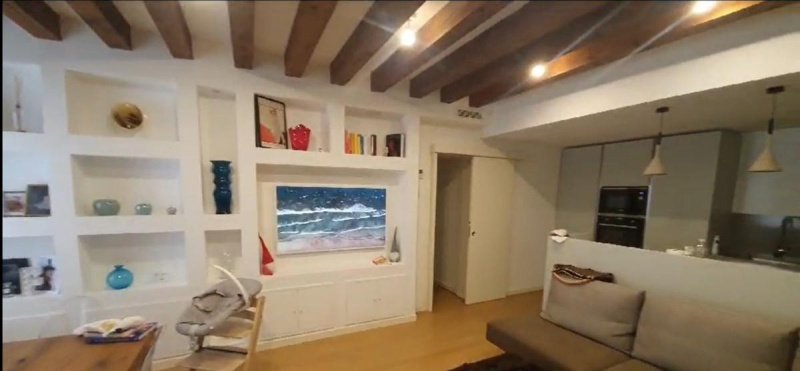
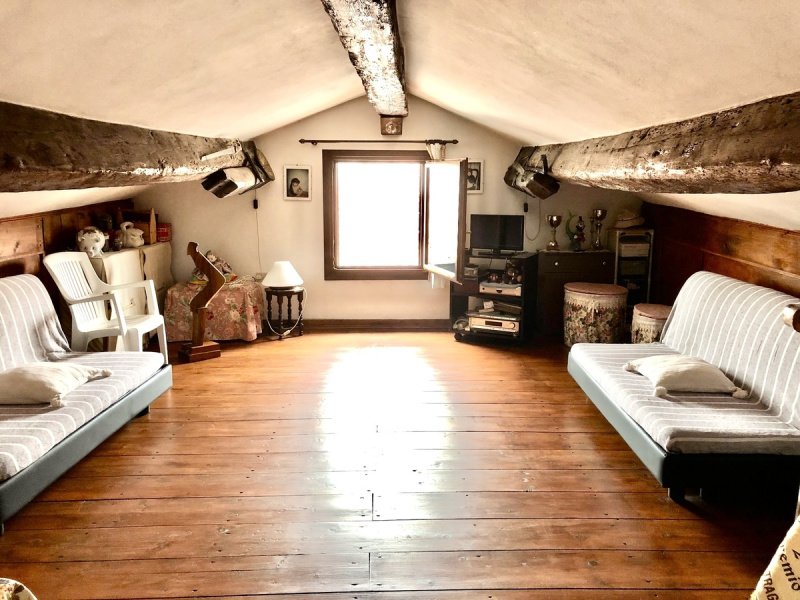
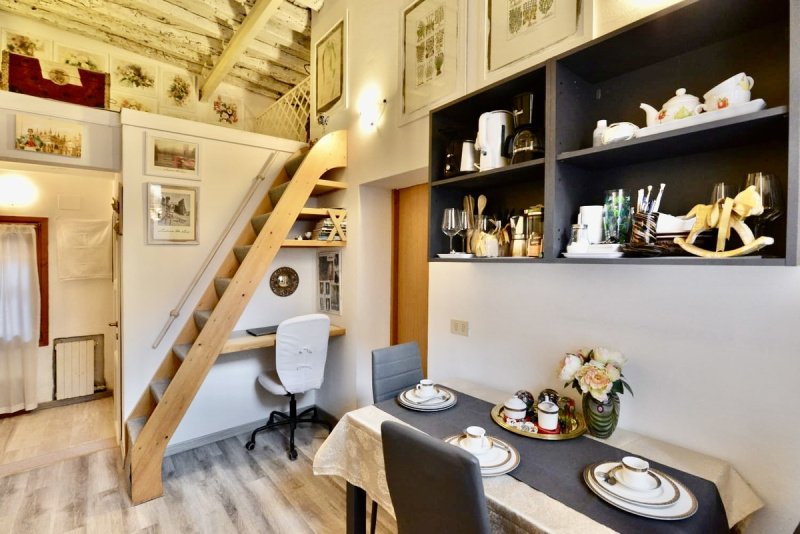
Venice apartment value often comes from exact micro-location, bridge count, waterbus access, district atmosphere, and the quality of the historic interior. A beautiful apartment in the wrong part of Venice can still make the stay more difficult.
For short stays, centrality and ease of arrival are often worth prioritizing. For longer stays, calmer sestieri and better daily routes can matter more than being close to the most famous square.
- In Venice, walking logistics matter as much as district prestige.
- Rooftop terraces, canal-side context, and authentic historic character add real value.
- For first visits, avoid overcomplicating arrival and luggage routes.
Cost of Living in Venice
As of February 2026, Venice is not inexpensive, but housing remains below Milan in baseline residential averages. Premium short stays inside the historic center can still rise sharply because the city's layout makes well-positioned apartments unusually valuable.
Recent city benchmarks point to roughly EUR 1,126 per month for a one-bedroom in the city center, about EUR 638 outside the center, an inexpensive restaurant meal around EUR 20, a cappuccino around EUR 1.97, and a monthly public transport pass around EUR 37. Furnished short and monthly stays in strong sestieri often sit above those baseline figures.
Dining
Prices vary heavily between visitor-facing areas and more local corners, but Venice is not a low-cost food city.
Transport
Transport can be expensive for short visitors, especially if using water transport frequently, which is why apartment position matters so much.
Housing
Centrality, access ease, canal context, and interior character create strong price differences in Venice.
Top Things to Do
St Mark's Square, the Rialto area, museum visits, smaller churches, neighborhood walking, and vaporetto movement through the lagoon define much of the Venice stay. But the city is rarely best when reduced to only the busiest routes.
The stronger version of Venice includes time in quieter sestieri, slower meals, and walking without an aggressive checklist.
Public Transport in Venice
Venice transport works differently from any standard city model. Walking is fundamental, while ACTV water buses, buses, trams, and the People Mover support movement across the city and its arrival points.
Venezia Unica lists an ACTV 75-minute ticket from EUR 9.50, a 1-day transport pass from EUR 25, and a 3-day transport pass from EUR 45 for Venice visitor travel products. AVM also lists a separate 75-minute urban ticket at EUR 1.50 for bus, tram, and People Mover contexts. The key point is simple: transport costs in Venice are highly path-dependent, so staying in the right sestiere is a conversion advantage.
- Plan arrival logistics before booking if luggage or mobility matters.
- Waterbus costs add up quickly when the apartment is poorly positioned for the stay style.
- In Venice, the best transport decision is often choosing the right neighborhood rather than buying a different ticket.
Who Should Stay in Venice
Couples
One of Europe's strongest choices for atmosphere-led travel and shorter premium stays.
Culture travelers
Excellent fit because museums, architecture, churches, and the city itself create the main draw.
Slower travelers
Venice is at its best for guests who are comfortable with walking, patience, and staying inside the city rhythm.
Longer-stay guests
Best when the district is calmer and the apartment is chosen for true day-to-day practicality, not just postcard effect.
Local Tips for a Better Stay
- Choose the sestiere before the apartment style.
- For first visits, prioritize easy arrival and manageable walking routes.
- Cannaregio and Dorsoduro are often stronger than the busiest San Marco adjacency for guests who want more atmosphere and less pressure.
- Transport costs in Venice make neighborhood fit more important than usual.
FAQs About Staying in Venice
Which area is best to stay in Venice?
It depends on the stay, but Cannaregio and Dorsoduro are often strong choices for guests who want atmosphere without the intensity of the busiest central zones.
Is Venice expensive?
Yes, especially when transport, prime positioning, and well-located historic apartments are factored in.
Is public transport good in Venice?
Yes, but it works very differently from a normal city. Walking and water transport define the experience.
Is Venice good for a monthly stay?
It can be, but only if the apartment is chosen for practical day-to-day life and the district is calm enough for routine.
What matters most in a Venice apartment?
Sestiere, arrival ease, walking routes, transport access, and whether the apartment supports the actual pace of the trip.
Featured Apartments in Venice
Selected stays that match the city guide, from central bases to longer-stay options.