Cluj-Napoca City Guide
Cluj-Napoca City Guide: Transylvanian Character, Creative Energy, and Where to Stay
Cluj-Napoca combines a walkable historic center with university life, a confident technology and business scene, lively festivals, and green residential districts. It is compact enough for an easy city break yet substantial enough to support comfortable business and monthly stays.
Why Stay in Cluj-Napoca
Cluj-Napoca offers a rare balance: a historic Transylvanian center with a strong contemporary identity. Universities, technology companies, film and music events, independent restaurants, and a large student population keep the city active throughout the year.
The compact core makes short visits straightforward, while established districts such as Gheorgheni and newer homes in Borhanci provide the space and calm needed for business assignments, relocations, and longer stays.
Cluj-Napoca Culture and Lifestyle
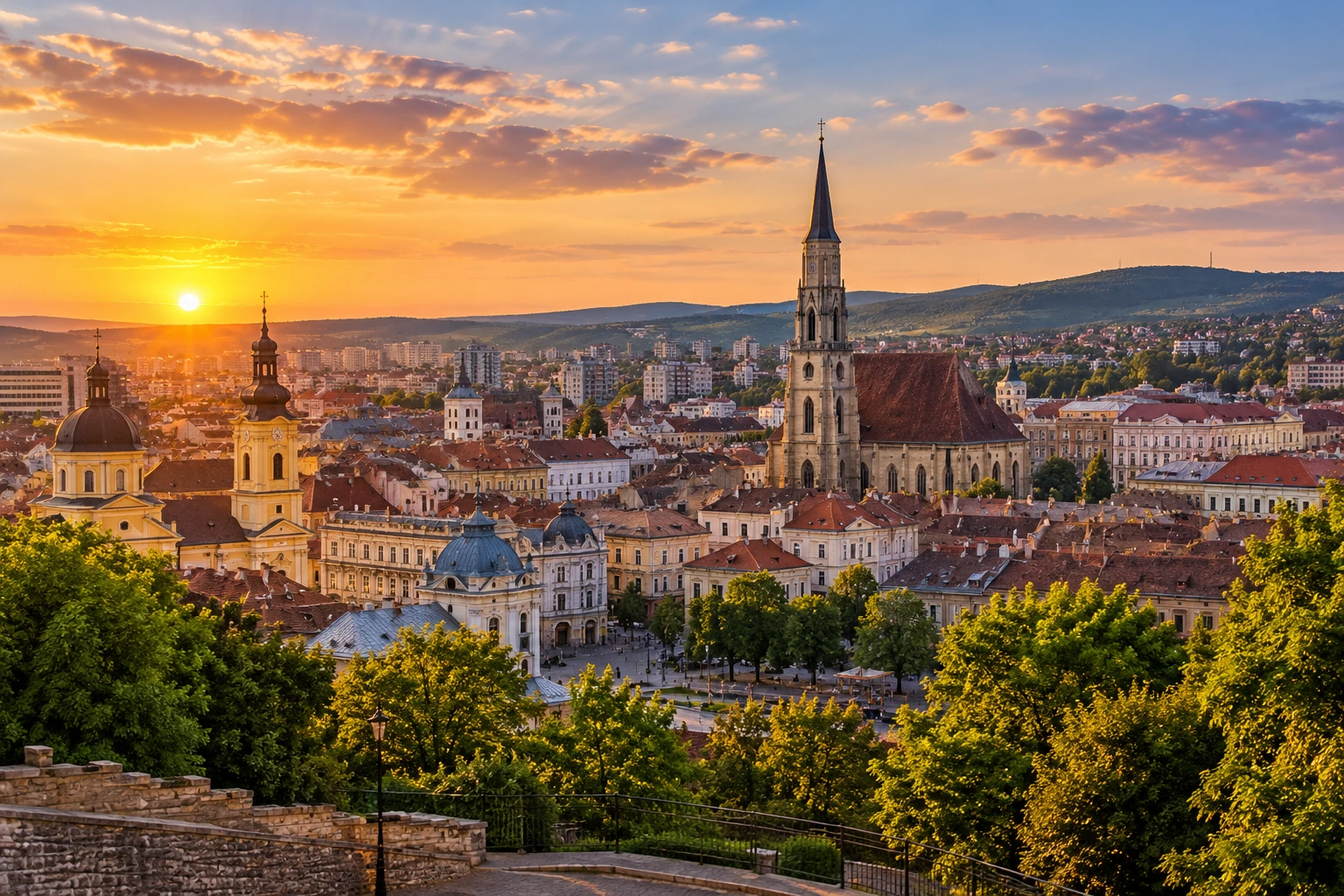
The city’s identity begins around Piața Unirii, St Michael’s Church, and the streets of the historic center, but it extends well beyond preserved architecture. Babeș-Bolyai University, a multilingual cultural tradition, contemporary galleries, and a busy events calendar give Cluj an unusually youthful outlook.
Official visitor guidance highlights the city’s Gothic, Baroque, and palace routes, along with museums, the Botanical Garden, and its UNESCO City of Film identity. In everyday life, that culture appears through cafés, cinemas, creative venues, festivals, and a dining scene that mixes Transylvanian traditions with international influence.
Historic heart
Piața Unirii, St Michael’s Church, old palaces, and compact central streets make the city easy to understand on foot.
University energy
A major student and academic population supports cafés, nightlife, cultural events, and an open international atmosphere.
Film, music, and festivals
Cluj’s year is shaped by important cultural events, from cinema and classical music to major contemporary festivals.
Best Neighborhoods in Cluj-Napoca
Central Cluj is compact, but peak traffic can make cross-city trips slower than the map suggests. Guests with a regular workplace or campus destination should choose the apartment around that daily route.
For first-time visitors
Centru places Piața Unirii, museums, restaurants, cafés, and the city’s principal architecture within easy walking distance.
For green residential living
Gheorgheni combines parks, sports facilities, established streets, and convenient access to Iulius Mall and the eastern business area.
For space and privacy
Borhanci offers newer homes, hillside surroundings, and a quieter residential feel that suits families and longer stays.
For business access
Gheorgheni, Mărăști, and areas around Iulius Mall are practical for offices, university facilities, shopping, and airport-side connections.
Real Estate and Staying Options
Cluj-Napoca offers historic central apartments, established residential blocks, modern penthouses, and larger houses in expanding hillside neighborhoods. The strongest choice depends on whether the stay is built around sightseeing, office access, university life, or privacy.
A central apartment is ideal for a compact cultural visit. For monthly or corporate stays, terraces, dedicated workspace, parking, lift access, and proximity to the eastern business districts can provide a better everyday experience than the most central address.
- Choose Centru for walking access to culture, dining, and nightlife.
- Gheorgheni is a strong all-round option for greenery, services, business access, and established residential comfort.
- Borhanci and other outer residential areas work best when privacy, modern space, and parking are priorities.
Cost of Living in Cluj-Napoca
Cluj-Napoca is one of Romania’s strongest and most in-demand urban markets. Everyday dining and transport can still compare favorably with larger western European cities, but high demand from the technology, university, and business sectors has created a clear premium for well-positioned housing.
Furnished-stay prices vary considerably by location and specification. Central character, modern construction, panoramic terraces, parking, and larger houses in desirable residential districts carry the highest premiums, while a well-connected apartment outside the historic core can offer better monthly value.
Dining
The city offers everything from approachable local restaurants to refined contemporary dining, with a particularly lively café culture.
Transport
Local public transport remains practical for everyday use, though taxis and ride-share services are often useful for outer districts.
Housing
Location, newer construction, terraces, parking, and workspace are major pricing factors in the furnished market.
Top Things to Do
Explore Piața Unirii and St Michael’s Church, follow the old streets toward Museum Square, visit the National Museum of Transylvanian History, and climb toward Cetățuia for a broad city view. Central Park and the Casino building create an easy green connection toward Cluj Arena.
The Alexandru Borza Botanical Garden, Ethnographic Museum of Transylvania, Tailors’ Tower, art museums, and the city’s restaurant scene reward a longer visit. Guests with more time can use Cluj as a starting point for Turda Salt Mine, traditional Transylvanian villages, and the Apuseni Mountains.
Public Transport in Cluj-Napoca
The historic center is highly walkable, while CTP buses, trolleybuses, and trams connect the main residential, university, shopping, and business districts. Tickets are available through machines, contactless payment where provided, SMS, and the 24Pay app, subject to the operator’s current rules.
Airport access is straightforward by road and public transport, but traffic at busy periods can affect journey times. For corporate or family stays in outer districts, a private parking space can be valuable even when public transport handles most central trips.
- Walk within the historic center and use public transport for cross-city movement.
- Check whether a ticket covers one vehicle, a timed journey, or a metropolitan route before travel.
- Allow a realistic margin for airport and business-district journeys during peak traffic.
Who Should Stay in Cluj-Napoca
Culture travelers
A rewarding choice for architecture, Transylvanian history, film, music, museums, and a compact walkable center.
Business travelers
Strong technology, services, and academic sectors make the city well suited to executive and project-based stays.
Festival visitors
The city is one of Romania’s most important festival destinations, though the best apartments should be reserved well ahead.
Longer-stay guests
Established neighborhoods, international services, green space, and modern homes create a practical base for extended visits.
Local Tips for a Better Stay
- Book early for major film, music, and city events, when accommodation demand rises sharply.
- Choose the neighborhood around your most frequent destination because peak traffic can lengthen short-looking routes.
- For longer stays, prioritize parking, workspace, outdoor space, and nearby groceries.
- Leave time for both the historic center and the greener residential side of the city.
FAQs About Staying in Cluj-Napoca
Which area is best to stay in Cluj-Napoca?
Centru is the strongest first-time base for walking and culture, while Gheorgheni suits green residential and business-focused stays and Borhanci offers more privacy and space.
Is Cluj-Napoca easy to explore without a car?
Yes. The center is walkable and public transport connects the main districts, although parking can be useful for outer neighborhoods and regional trips.
Is Cluj-Napoca good for a monthly stay?
Yes. Its business, university, cultural, and dining infrastructure supports extended stays particularly well.
When is the best time to visit Cluj-Napoca?
Late spring and early autumn are especially pleasant, while festival dates offer exceptional energy but require earlier accommodation planning.
What matters most in a Cluj-Napoca apartment?
The daily route, neighborhood, workspace, parking, lift access, outdoor space, and reliable connections to the center or business districts are the main factors to compare.
Featured Apartments in Cluj-Napoca
Selected stays that match the city guide, from central bases to longer-stay options.

