Hamburg City Guide
Hamburg City Guide: Waterfront Districts, Urban Calm, and Where to Stay
Hamburg offers a different kind of major-city stay: less theatrical than Berlin, less formal than Munich, and shaped strongly by water, harbor life, and polished residential districts. It suits guests who want a city that feels substantial, livable, and well connected without losing local character.
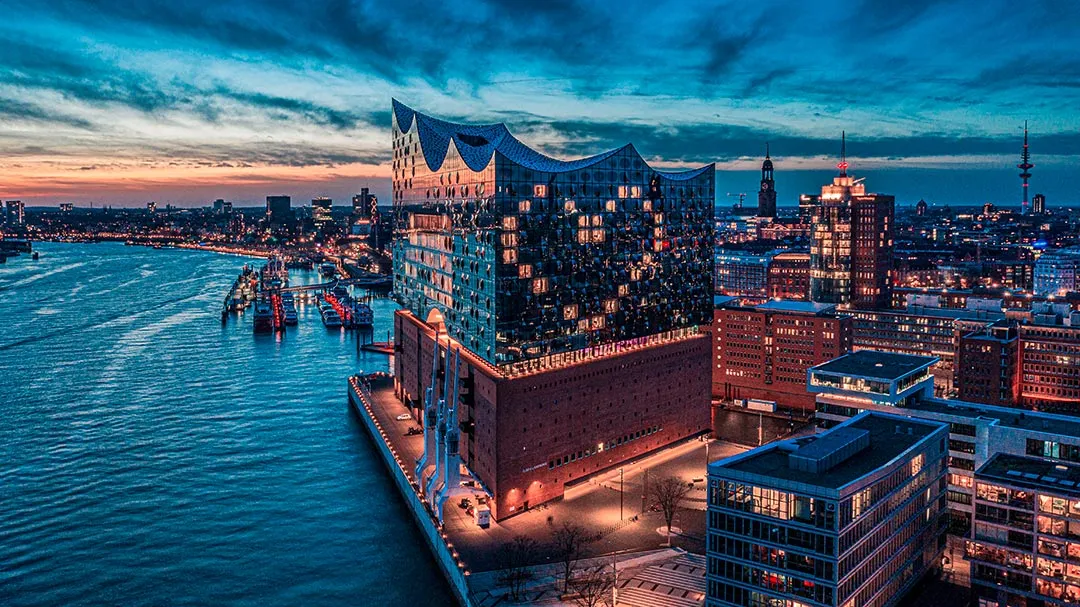
Why Stay in Hamburg
Hamburg works especially well for guests who want a large city with structure and atmosphere but without the intensity of some better-known capitals. Water, bridges, harbor views, and a strong business and cultural base give it a distinct rhythm.
It suits short cultural trips, business travel, and longer stays where neighborhood quality matters. The city feels balanced: urban enough to stay interesting, but calm enough to remain comfortable over time.
Hamburg Culture and Lifestyle
Hamburg is shaped by maritime history, music, architecture, and a strong contemporary food and café scene. The city moves with less improvisation than Berlin and less ceremony than Munich, which makes it appealing to travelers who prefer quiet confidence over obvious spectacle.
Districts such as HafenCity, Winterhude, Eppendorf, and Sternschanze show how broad the city can feel: from waterfront redevelopment and business polish to more local café culture and nightlife.
Waterfront identity
Harbor edges, canals, ferries, and riverside views shape the city more than a single historic core does.
Food and café life
Hamburg has a strong everyday dining culture, from bakeries and cafés to more refined restaurants across central districts.
Urban rhythm
The city feels modern, well organized, and easier to inhabit than many visitors expect from a major port city.
Best Neighborhoods in Hamburg
Hamburg is a city where district feel matters. The right area depends on whether the stay is meant to be more residential, more waterfront-centered, or more social and nightlife-led.
For first-time visitors
Central waterside districts and areas with fast transit access work best for guests who want a broad first impression of the city.
For polished residential feel
Winterhude and Eppendorf suit guests who want cafés, greener streets, and a more refined local rhythm.
For nightlife and creative energy
Sternschanze and St Pauli appeal more to guests who want restaurants, bars, and a less formal city feel.
For business and modern city living
HafenCity and nearby districts suit stays built around convenience, newer buildings, and strong central connections.
Real Estate and Staying Options
Hamburg apartment value often comes from light, space, district quality, and access to water or calm residential streets. Compared with denser capitals, many stays here feel more measured and practical.
For short stays, central or waterfront-connected locations are usually best. For monthly stays, guests often benefit from a more residential address with strong public transport and better everyday services.
- Waterside location adds real value in Hamburg because it changes the feel of the stay.
- Residential districts are often the better long-stay choice for calm and routine.
- Business and leisure trips can both work well here, but usually in slightly different neighborhoods.
Cost of Living in Hamburg
As a March 2026 planning reference, Hamburg sits above Cologne in housing and often above many secondary European cities in daily costs, but it remains more measured than the most expensive headline capitals.
Recent city benchmarks point to roughly EUR 1,146 per month for a one-bedroom in the city center, about EUR 852 outside the center, a casual restaurant meal around EUR 15, and a cappuccino around EUR 4.19. Premium furnished stays can move higher depending on district, size, and waterside positioning.
Dining
Food and coffee are solid but not cheap by German standards, especially in central polished districts.
Transport
Transport is practical enough that the convenience usually justifies the spend for most city stays.
Housing
Waterfront or highly polished neighborhoods create the main premium step-up in the market.
Top Things to Do
The harbor, Speicherstadt, Elbphilharmonie, Alster areas, and long waterside walks form the classic Hamburg stay. The city also rewards slower exploration through neighborhoods, cafés, and ferry routes rather than only formal attractions.
For longer stays, the quality of daily movement through the city often becomes one of its strongest assets.
Public Transport in Hamburg
Hamburg is straightforward without a car. U-Bahn, S-Bahn, buses, and ferries cover the city well, and many districts remain easy to combine within a normal day.
As of recent hvv pricing, a Hamburg AB single ticket is EUR 4.10, a short journey ticket is EUR 2.10, and a day ticket is EUR 8.20. That makes public transport practical for visitors, though staying in the right district can reduce transfers significantly.
- Ferries are part of everyday public transport, not just a sightseeing extra.
- A car is rarely necessary for city-focused Hamburg stays.
- Choosing a district with strong rail access improves the stay more than chasing the lowest nightly rate.
Who Should Stay in Hamburg
Business travelers
A very strong fit because Hamburg combines connectivity, polished districts, and an efficient city structure.
Couples
Well suited to cultural city breaks, waterside dining, and quieter upscale neighborhoods.
Longer-stay guests
Excellent option for guests who want a stable urban routine rather than constant tourist intensity.
Remote workers
Works well when neighborhood quality, cafés, and a calmer major-city rhythm matter more than nonstop nightlife.
Local Tips for a Better Stay
- Choose between waterfront access, nightlife energy, and polished residential calm before selecting the apartment.
- For first stays, stronger transport access usually matters more than being next to one attraction.
- Winterhude and Eppendorf often work especially well for longer stays.
- Hamburg rewards guests who leave time for the city itself, not just the headline sights.
FAQs About Staying in Hamburg
Which area is best to stay in Hamburg?
That depends on the trip, but well-connected central or polished residential districts are usually the best all-round choices.
Is Hamburg expensive?
It is one of Germany's more expensive city markets in housing, though still more moderate than some of Europe's most expensive capitals.
Is public transport good in Hamburg?
Yes. Hamburg has one of the city's clearest strengths in its integrated rail, bus, and ferry system.
Is Hamburg good for a monthly stay?
Yes, especially for business travelers, remote workers, and guests who want a livable major city with calmer energy.
What matters most in a Hamburg apartment?
District fit, transport access, natural light, and whether you want waterfront appeal or a more residential city rhythm.
Featured Apartments in Hamburg
Selected stays that match the city guide, from central bases to longer-stay options.
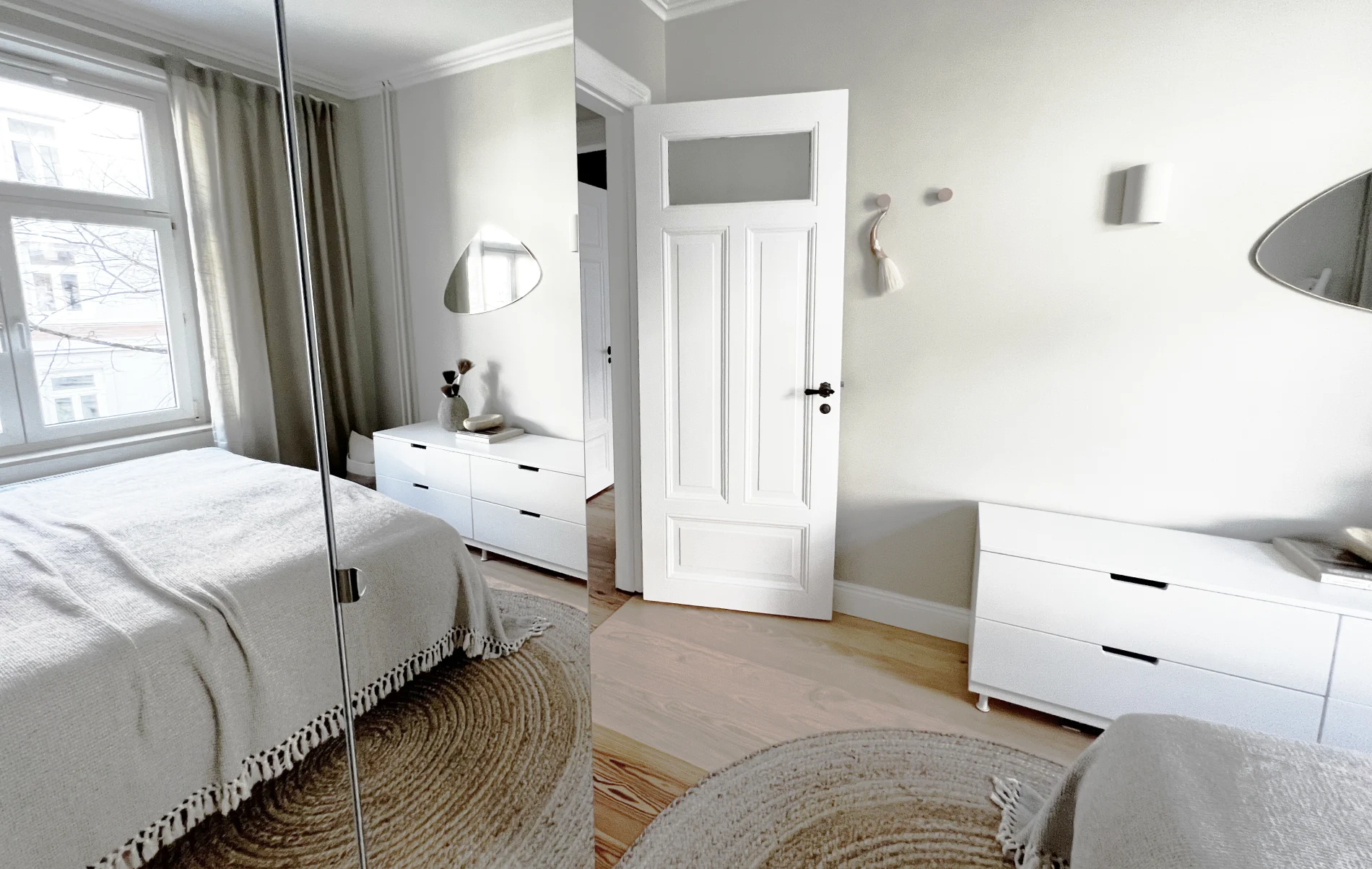 HAM-0079
Stylish Apartment in Winterhude
€160.00/Night
€1,990.00/Month
View details
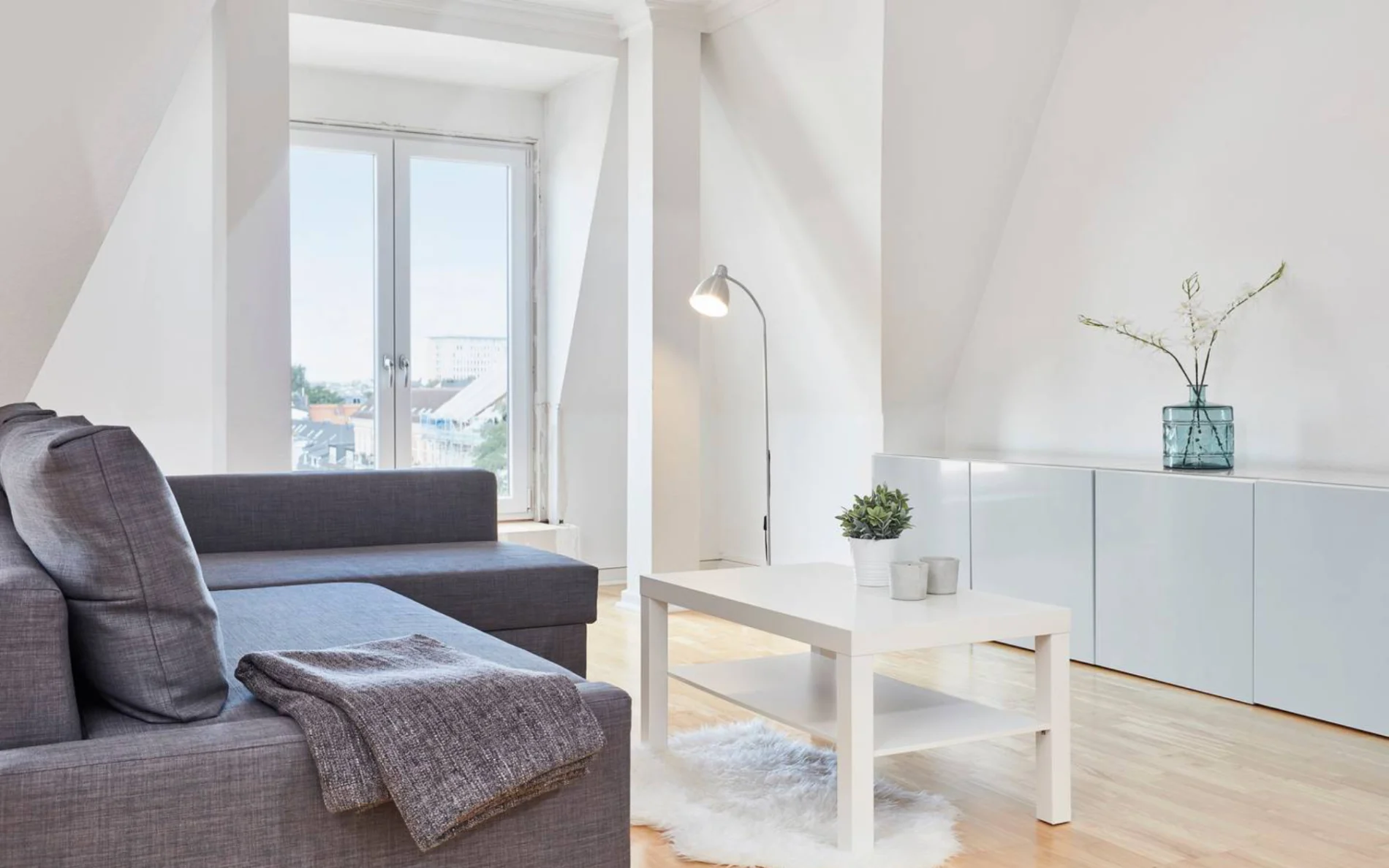 HAM-1221
Spacious Apartment Fantastic View
€165.00/Night
€2,240.00/Month
View details
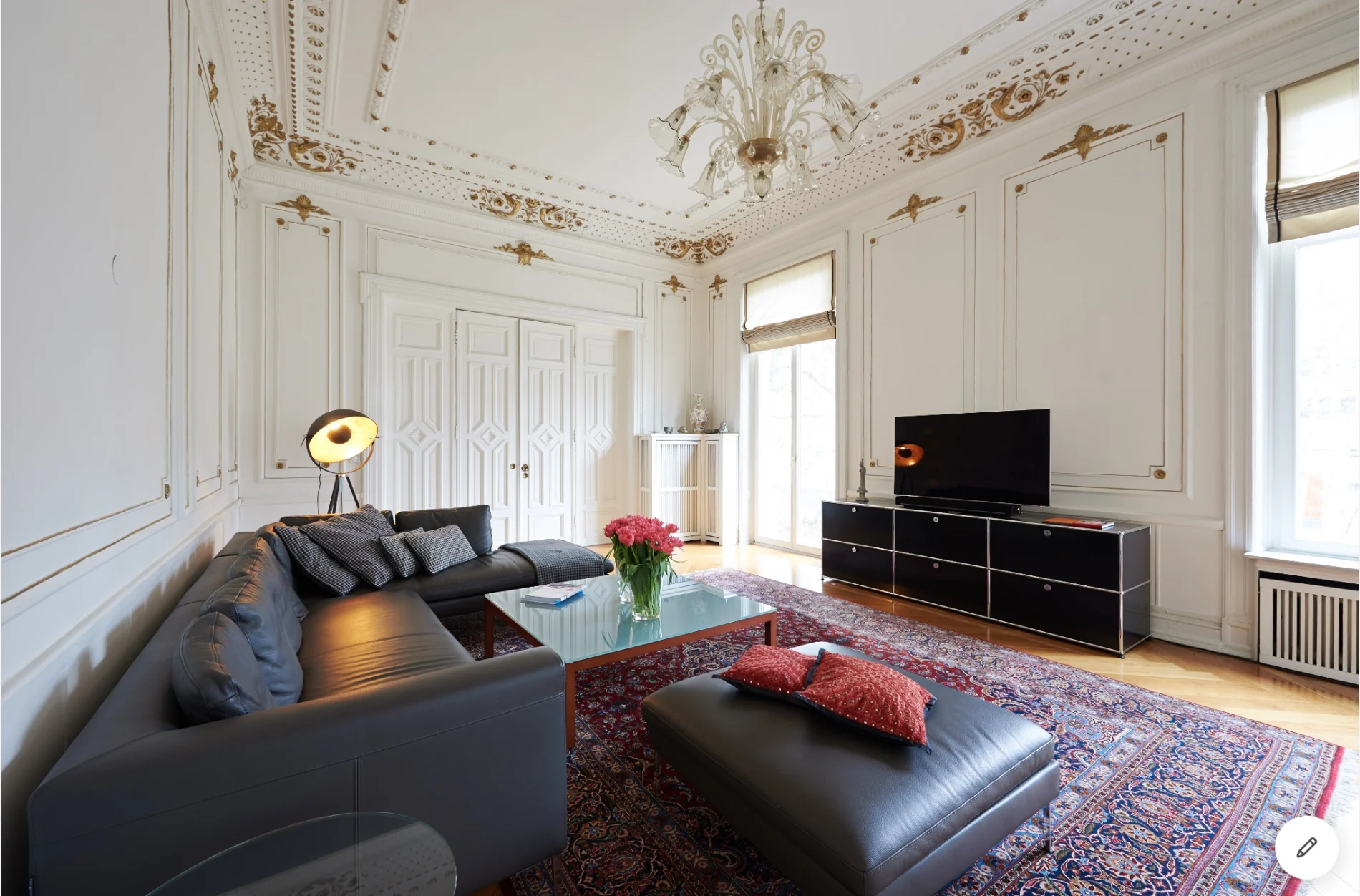 HAM-8950
Belle Etage in Old Villa by the water
€380.00/Night
€6,490.00/Month
View details
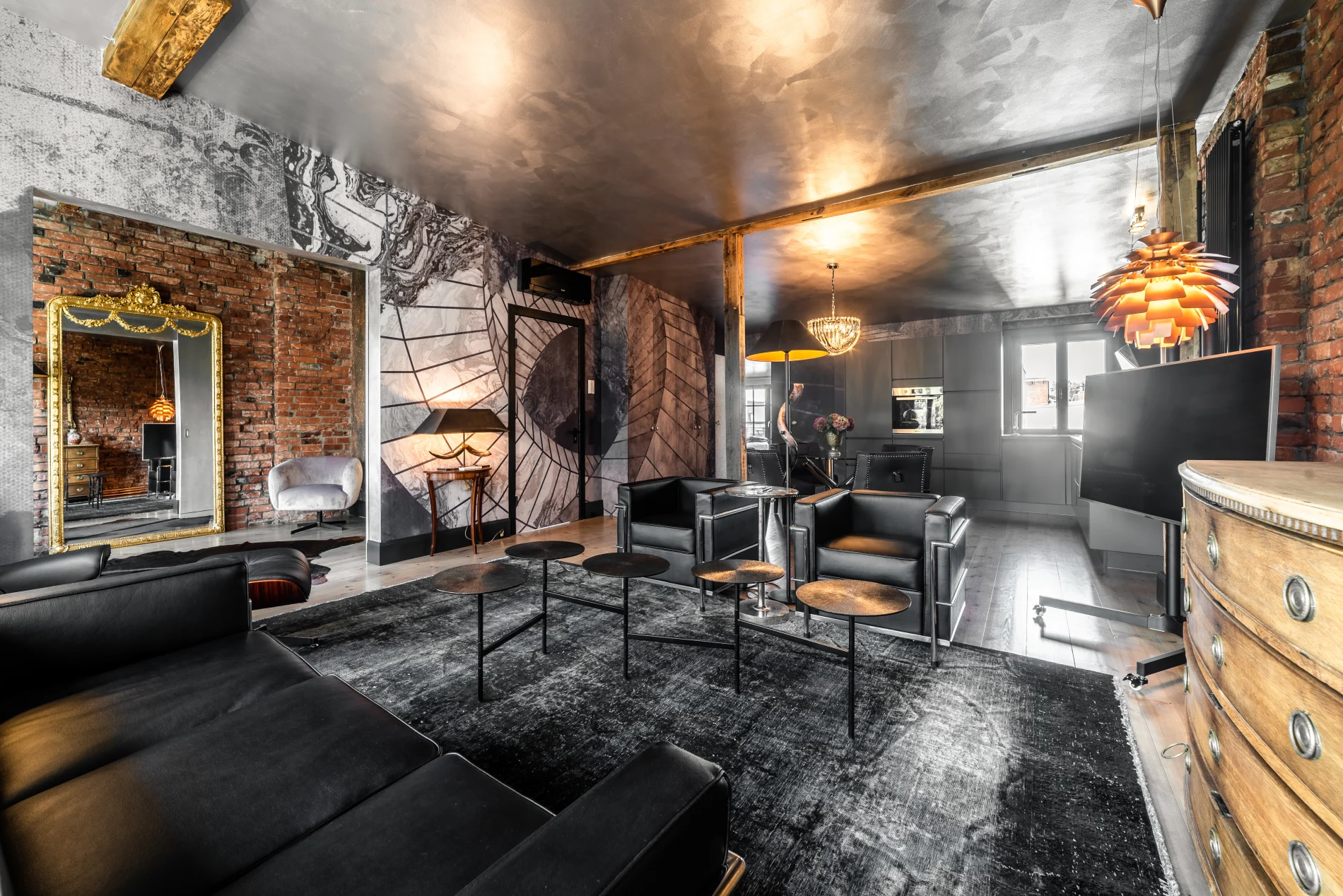 HAM-9909
Stylish Loft Apartment
€165.00/Night
€2,380.00/Month
View details